1750 to Today: How NYC Forged Modern Capital Markets
"Money has a memory, and in New York, that memory is etched into the very cobblestones of Lower Manhattan."
To understand why a single street corner in Manhattan dictates the rhythm of global trade, you have to look past the glass skyscrapers and into the centuries of grit that built them.
The transition from local merchant handshakes to a global digital engine is a story of survival, regulation, and relentless ambition.
* The transition from informal colonial trading to a structured exchange created the foundation for modern capitalism. * Historical crises forced the evolution of safeguards, such as circuit breakers, to prevent total systemic collapse. * The physical presence of the financial district created a unique ecosystem of law, banking, and tech that keeps NYC at the center of the world.

How did colonial roots shape modern trade? A merchant in 1750 stands on a wooden pier, clutching a ledger and waiting for a ship to arrive from Europe. There is no digital ticker, no high-frequency trading—just the smell of salt air and the weight of physical commodities.
According to the World Bank, the United States recorded international tourist arrivals of 45,037,000 in 2020.
Before the formal establishment of the New York Stock Exchange, commerce in the American colonies was a fragmented affair of local merchants and shipping agents. These individuals relied on informal agreements and local trust to facilitate trade.
As the colonial economy grew, the need for a centralized place to standardize prices and trade securities became undeniable.
This transition from informal trading posts to a structured market was the first step in turning a local shipping hub into a global financial powerhouse. The convergence of these merchants created a shared interest in stability.
Early financial instruments, often tied to shipping ventures or local land, required a level of community trust that could only be maintained through organized gathering.
This period of transition laid the groundwork for the transition from mere trade to true capital markets. But as the scale of wealth grew, the old ways of doing business began to crack under the pressure of expansion.
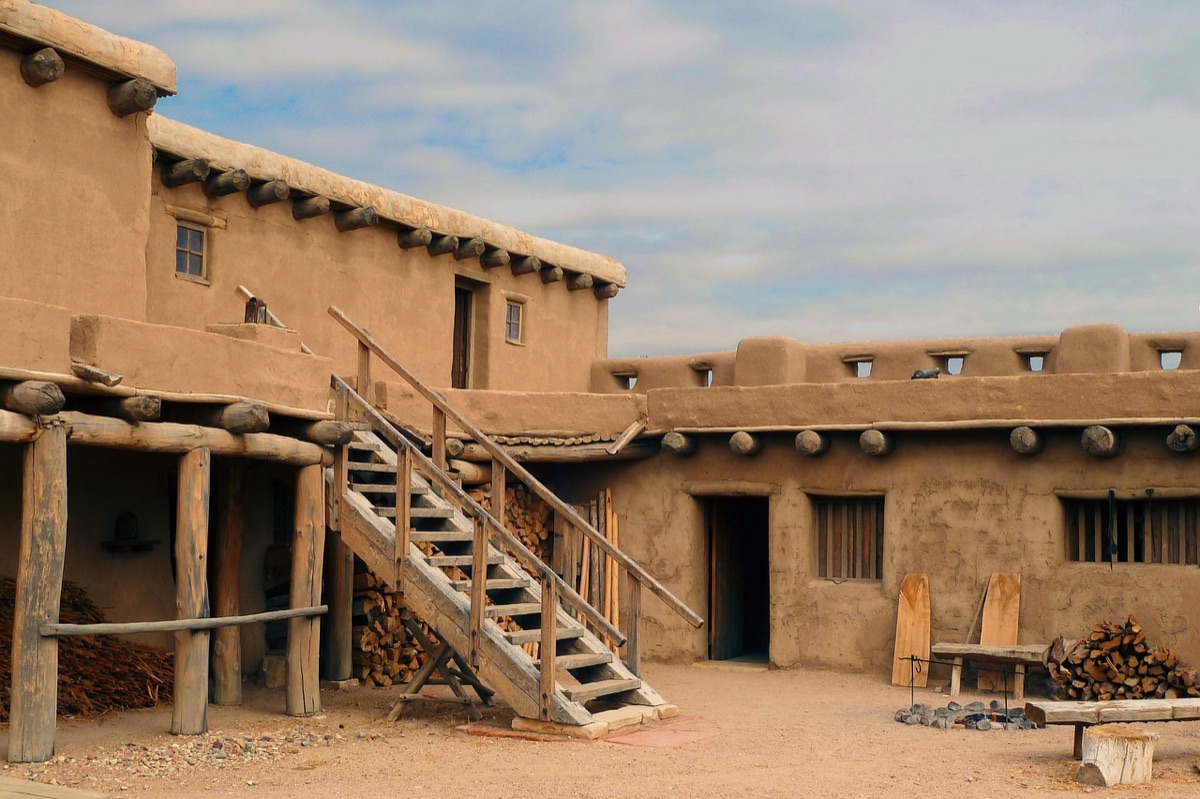
How was the NYSE first established? The sun rises over a crowded street in the mid-19th century, where men in top hats gather to exchange papers that represent ownership of railroads and growing industrial empires. The atmosphere is electric, loud, and chaotic.
As noted by the Guides Association of NYC, the organization represents just 10.9% of all licensed tour guides in the city.
The formalization of the New York Stock Exchange (NYSE) turned a group of disparate traders into a structured institution. One of the most critical elements of this era was the concept of "seats"—membership rights that allowed individuals to participate in the trading floor.
These seats were not just positions; they represented a form of self-capitalization that ensured members had a vested interest in the exchange's survival.
Early operational mechanics relied heavily on these members to facilitate trades through physical presence. While this system was prone to extreme fluctuations, it also fostered a sense of self-regulation.
The need to manage these early market swings drove the exchange to develop more sophisticated rules, setting the stage for the regulatory battles of the coming century.
However, rules alone couldn't stop a crash when fear took over the streets.
Navigating Crises: Major Shocks and Adaptations
A frantic trader stares at a newspaper headline in 1929, realizing that the numbers on the page represent a catastrophic loss of wealth. The silence in the room is heavy, broken only by the sound of shuffling papers.
Bloomberg announced that Cornell University and the Technion-Israel Institute of Technology would partner to build Cornell Tech, a $2 billion graduate school.
History is often written in the wake of market crashes. Major economic downturns, such as the Great Depression era, forced the exchange to evolve from a mere trading floor into a highly regulated institution.
To prevent the kind of uncontrolled freefall seen in the past, modern markets developed "circuit breakers."
These are automated pauses in trading designed to prevent panic selling from spiraling out of control. These safeguards are typically tied to specific percentage drops in the S&P 500 index.
For example, a Level 1 circuit breaker might trigger a 15-minute halt if the index drops by 7% from the previous close.
A Level 2 halt occurs at a 13% drop, and a Level 3 halt—the most severe—triggers a full trading suspension if the index falls by 20%. These mechanisms were born from the hard lessons of 20th-century volatility, turning catastrophe into a catalyst for structural stability.
But as the world moved from paper to light, the nature of the crisis itself began to change.
Modernization and Global Integration
A technician in a cooled server room monitors a stream of data moving at the speed of light, far removed from the shouting matches of the old trading floor. The physical paper has been replaced by invisible pulses of electricity.
The decision to build the school involved both Cornell University and the Technion-Israel Institute of Technology to create a $2 billion facility.
The transition from physical trading floors to digital infrastructure changed everything. While the "pit" still holds symbolic value, the modern NYSE operates on a global scale through technological integration.
This shift has allowed New York to maintain its edge against emerging global hubs by turning finance into a high-tech industry.
To solidify this status, New York has leaned heavily into technological expansion. For example, Bloomberg announced a $2 billion graduate school of applied sciences called Cornell Tech on Roosevelt Island, intending to transform New York City into the world's premier technology capital.
This type of investment ensures that the city's financial dominance is supported by a cutting-edge talent pool capable of managing the complexities of 21st-century global finance.
While the tech is seamless, it creates a new kind of gap between the digital traders and the physical city.
Beyond the Exchange Floor: The Ecosystem of Financial Districts
A lawyer walks briskly down Broad Street, briefcase in hand, heading to a meeting between a banker and a corporate client. The exchange is just one piece of a much larger, breathing organism.
The NYSE does not exist in a vacuum; it is the heart of a massive economic ecosystem. The "Broad Street" culture is a symbiotic relationship between the exchange and the surrounding services.
This includes a dense concentration of specialized lawyers, investment bankers, commodity brokers, and auditors.
While the exchange itself manages the trading of equities, the surrounding district provides the legal and logistical framework that makes those trades possible.
This concentration of expertise creates a "cluster effect," where the proximity of various financial services makes the district more efficient than any other place on earth.
| Feature | Early Era (19th Century) | Modern Era (21st Century) |
|---|---|---|
| Primary Medium | Physical Paper & Handshakes | Digital Data & High-Frequency Trading |
| Membership | Physical "Seats" on the floor | Electronic Access & Clearing Houses |
| Regulation | Informal Self-Regulation | Strict Federal & Exchange Oversight |
| Speed of Trade | Hours or Days | Milliseconds |
Even as trading becomes more digital, the physical presence of this ecosystem remains a powerful driver of global capital. But how do you navigate this history without getting lost in the noise?
The Enduring Legacy: NYC as a Financial Nexus
A late-night street sweeper moves through the Financial District, where the shadows of massive stone buildings stretch across the pavement. The city never truly sleeps, and neither does the capital that flows through it.
The history of the NYSE is a reflection of the city itself: a blend of immigrant diversity, relentless pace, and constant reinvention. The cultural codes of New York—the drive to build, to trade, and to lead—are mirrored in the mechanics of the market.
From the early merchants to the modern tech-driven traders, the core mission has remained the same: the efficient movement of capital.
The continuous evolution of the exchange is not just a matter of convenience; it is a requirement for survival. To remain at the forefront of global finance, the city must constantly adapt its infrastructure and its people to meet the challenges of a changing world.
When I walked through the Financial District last year, I stood on the corner of Wall and Broad and felt the weight of all those decades. It is easy to see the buildings as mere stone, but they are actually monuments to human ambition.
Travel Tips for the History Buff
If you are visiting the Financial District to walk in these historical footsteps, follow this checklist:
- Walking the Route: Start at the Battery and walk north up Broadway toward Wall Street. This allows you to see the transition from the waterfront origins to the densest part of the district.
- Viewing the Exchange: While you cannot walk onto the trading floor without specific credentials, the exterior of the NYSE on Wall Street is a testament to the architecture of power.
- Time Your Visit: Visit the Financial District on a weekday morning to see the hustle of the professional crowd, but visit on a weekend if you prefer a quieter, more contemplative look at the historic architecture.
- Check for Closures: Always check the official NYSE website or local news before planning a walking tour, as security protocols in the area can change access to certain streets.
#



Comments 0