NYSE & Broad Street: 1800s Roots of Global Finance Power
"The pulse of global capitalism isn't found in a single building, but in the centuries of momentum that turned a narrow street in Lower Manhattan into the center of the financial universe."
To understand why the world watches the ticker tapes of New York, you have to look past the glass towers and into the cobblestone history of Broad Street. This is the story of how a localized trading group evolved into a global powerhouse.
Key Takeaways * The transition from informal mercantile deals to a structured global exchange defined Newah's rise. * Physical locations like Broad Street provided the foundation for institutional stability.
* Technological shifts moved trading from shouted orders to high-frequency electronic execution. * The cultural and economic weight of the NYSE remains a cornerstone of global capitalism.

How did New York become the financial leader? Walking down Broad Street at 8:30 AM on a Tuesday in 2026, the air feels heavy with the weight of a thousand successful trades and a hundred market crashes.
The sidewalk is crowded with commuters in dark wool coats, but there is an invisible current of purpose that pulls everyone toward the intersection of Wall and Broad.
Before there were massive marble pillars and high-speed fiber optics, there was simply commerce. In the late 18th and early 19th centuries, New York was a bustling port town where merchants met to swap goods and settle debts.
These early mercantile activities were the seeds of what would become a formal exchange.
As the 19th century progressed, the need for structured investment grew. What began as informal agreements between gentlemen in coffee houses gradually crystallized into professional investment practices.
The geography of the city played a vital role; the rise of Broad Street provided a concentrated hub where brokers could congregate, making information travel faster through word of mouth than through any modern wire.
This transition from informal handshakes to structured trading required a physical home. The move toward a centralized exchange allowed for more transparency and the ability to pool capital for massive infrastructure projects, like railroads, that were reshaping the American landscape.
But as the scale of money grew, so did the risk of total collapse.
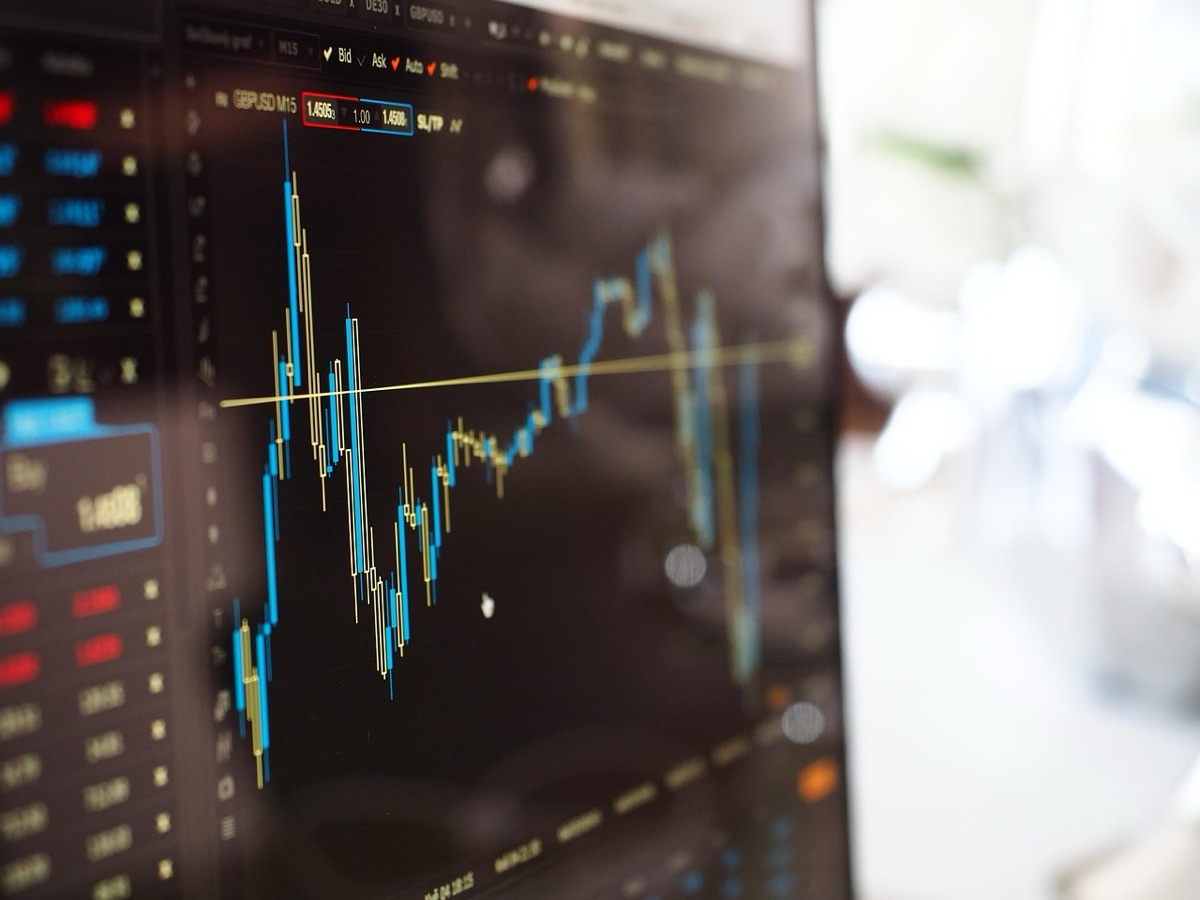
How did the NYSE evolve into its modern form?
Standing outside the iconic facade of the New York Stock Exchange in the midday sun of 2025, you can almost hear the echoes of the frantic energy that once defined the trading floor. The building itself is a monument to the transition from chaos to order.
The establishment of the NYSE brought much-needed rules to the wild west of early American finance. In its early years, the exchange operated through a system of "seats" or memberships, where brokers gathered in person to execute trades.
This physical presence ensured that there was a clear, accountable intermediary for every transaction.
However, the history of the exchange is also a history of crisis management. Market volatility has always been a constant, leading to the implementation of regulatory safeguards. For instance, modern circuit breakers were designed to prevent a total market meltdown during periods of extreme panic.
These are triggered by specific percentage drops in the S&P 500: a 7% drop triggers a level-one halt, a 13% drop triggers level two, and a 20% drop triggers a level-three halt. The shift in accessibility has been the most profound change.
We moved from a world of physical seats and shouted orders to a digital era of electronic trading.
While the floor still exists for ceremonial and specific liquidity purposes, the vast majority of trading now happens in milliseconds through servers.
This shift changed the role of the market maker from a person in a colorful jacket to a sophisticated algorithm, but the core goal remains the same: providing liquidity and depth to the market.
Yet, even with all this technology, history shows that the greatest changes come from the moments when everything goes wrong.
What were the major turning points in financial history? A sudden hush falls over a crowded room when the news of a market crash breaks, and you can feel the collective tension in the air. In those moments, the history of finance feels less like a textbook and more like a living, breathing entity.
Major market collapses have always been the primary drivers of regulatory evolution. The crash of 1929, for example, fundamentally changed how the public viewed the relationship between risk and regulation.
These turning points often forced the hand of the government to create protections that we take for granted today.
Technological disruption has also acted as a massive pivot point. The move from paper certificates to digital ledgers changed everything about how much capital could move through the system at once.
In the past, extreme market movements—such as sudden 7.1% or 14% drops—were catastrophic events that could take months to recover from. Today, the speed of information means these movements can happen in minutes, necessitating the very circuit breakers mentioned earlier.
Global economic shifts have also played a role. As the United States grew into a global superpower, the NYSE became the barometer for the health of the world economy, not just the American economy.
Every major shift in global trade or geopolitical stability is reflected in the volatility of the New York markets. But the exchange is only one part of a much larger machine.

Beyond the Exchange Floor: The Ecosystem of Finance
In the shadow of the massive trading towers, you see a different kind of hustle: lawyers carrying leather briefcases, bankers checking tablets, and consultants rushing toward midtown. This is the supporting cast that keeps the engine running.
The relationship between the exchange and the city is symbiotic. The NYSE does not exist in a vacuum; it is the heart of a massive ecosystem. Around the core of Wall Street and Broad Street, a specialized cluster of professional services has developed.
This includes high-stakes law firms, global investment banks, and accounting giants that provide the necessary oversight and structure for the markets to function.
This ecosystem is constantly evolving. We are seeing a modern convergence of finance and technology.
For example, the vision behind projects like Cornell Tech on Roosevelt Island aims to transform New York City into a premier technology capital, bridging the gap between pure finance and the digital innovations that drive modern value.
The global reach of these markets means that a decision made in a boardroom in Manhattan can affect a farmer in Europe or a manufacturer in Asia. The U.S. financial markets serve as a global gravity well, pulling in capital and influence from every corner of the planet.
But how does an individual navigate this massive, complex web?
Understanding the Modern Investor Landscape
Sitting in a quiet cafe in Brooklyn at 4:00 PM, you might see a young professional checking their phone, looking at a series of colorful charts and green numbers. It is a far cry from the mahogany desks of the past, but the stakes are just as high.
The way people participate in the market has changed dramatically. In the past, investing was often reserved for the wealthy or those with direct connections to the exchange. Today, through mutual funds, ETFs, and individual brokerage accounts, the barrier to entry has vanished.
According to a 2022 Gallup poll, approximately 58% of American adults reported having money invested in the stock market, whether through individual stocks, mutual funds, or retirement accounts.
This high level of participation shows how deeply integrated the stock market has become with the average person's financial life and long-term security.
Modern investment vehicles allow for much more granular control and diversification than the old ways. However, this ease of access also brings the responsibility of informed decision-making.
In a world of high volatility, understanding the difference between a long-term investment and a speculative trade is more critical than ever.
When I first started looking at market data, I was overwhelmed by the sheer volume of noise. It took me months to realize that the "pulse" of the market isn't just about the numbers, but about the human psychology behind them.
The transition from the physical Broad Street to the digital smartphone has made the market more democratic, but it has also made the need for financial literacy more urgent.
How to Navigate Market Changes: A Practical Checklist
If you are looking to understand how to manage your own involvement in this ecosystem, follow these steps:
- Identify your risk tolerance: Determine how much of a percentage drop you can stomach before you feel the need to sell.
- Diversify your holdings: Do not put all your capital into a single sector or single stock.
- Understand the tools: Learn the difference between an ETF, a mutual fund, and an individual equity.
- Monitor the macro environment: Keep an eye on interest rate changes and global economic indicators.
- Maintain a long-term perspective: Do not let daily volatility dictate your multi-year financial plan.
| Era | Primary Method | Key Characteristic |
|---|---|---|
| 19th Century | Physical Gathering | Information moved by word of mouth |
| Mid-20th Century | Telephone/Floor Trading | High human interaction and physical presence |
| 21st Century | High-Frequency/Digital | Millisecond execution and algorithmic trading |
#







Comments 0