How did historical immigration shape the city?
An immigrant's journey often begins with a single doorstep, a heavy key, and the hope of a new life within a bustling metropolis.
The story of New York City is written in the footsteps of those who arrived seeking opportunity, shaping the very fabric of the urban landscape. This exploration examines how various groups have contributed to the city's identity and the historical shifts in its demographic composition.

Key takeaways include the profound impact of historical immigration waves, the evolution of community hubs, and the lasting influence of cultural diversity on the city's social landscape.
How did historical immigration shape the city?
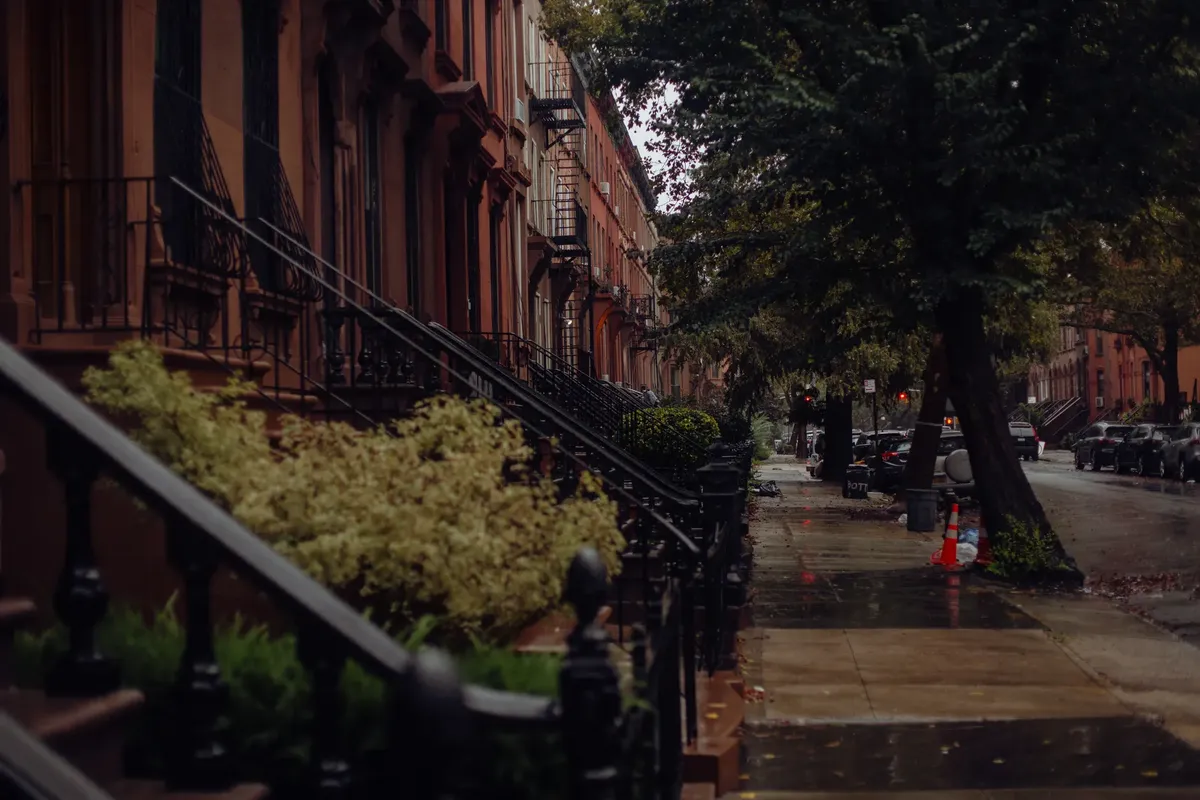
He runs his hand over the rough stone of the old brownstone in the quiet morning light, feeling the weight of historical change etched into the street.
A traveler walks through a historic neighborhood, noting the architectural echoes of different eras. The foundations of New York were laid by waves of people seeking refuge and prosperity.
Extensive immigration from the German provinces meant that Germans comprised another 25% of New York's population by 1860. This massive influx helped define the social and economic structures of the growing city.
Such movements of people created the diverse neighborhoods that characterize the urban experience today.
Waves of newcomers brought diverse architectural styles and culinary traditions that redefined the urban landscape.
How did specialized communities shape everything? Brownstone immigrant culture
At dusk, she leans against the warm brick of the courtyard, listening to the echoes of a historical language that binds the neighbors together.
A family sits in a small courtyard, sharing stories in a language that carries the weight of their heritage. These pockets of culture provided support and continuity for newcomers.
The diversity of the city is often seen in how specific groups maintain their unique traditions within the larger metropolitan framework. For example, the presence of specific linguistic groups reflects the history of global movement.
In the United States, speakers of Eastern Armenian are primarily immigrants from the former Soviet Union, who mostly arrived during the 1990s, or their children. These cultural threads weave together to form a complex social tapestry.
Ethnic enclaves provided essential social safety nets and economic hubs for new arrivals.
How has higher education influenced the local culture?
A student walks across a bustling campus, surrounded by the energy of academic pursuit. The influx of knowledge and people through education has always been a driver of change.
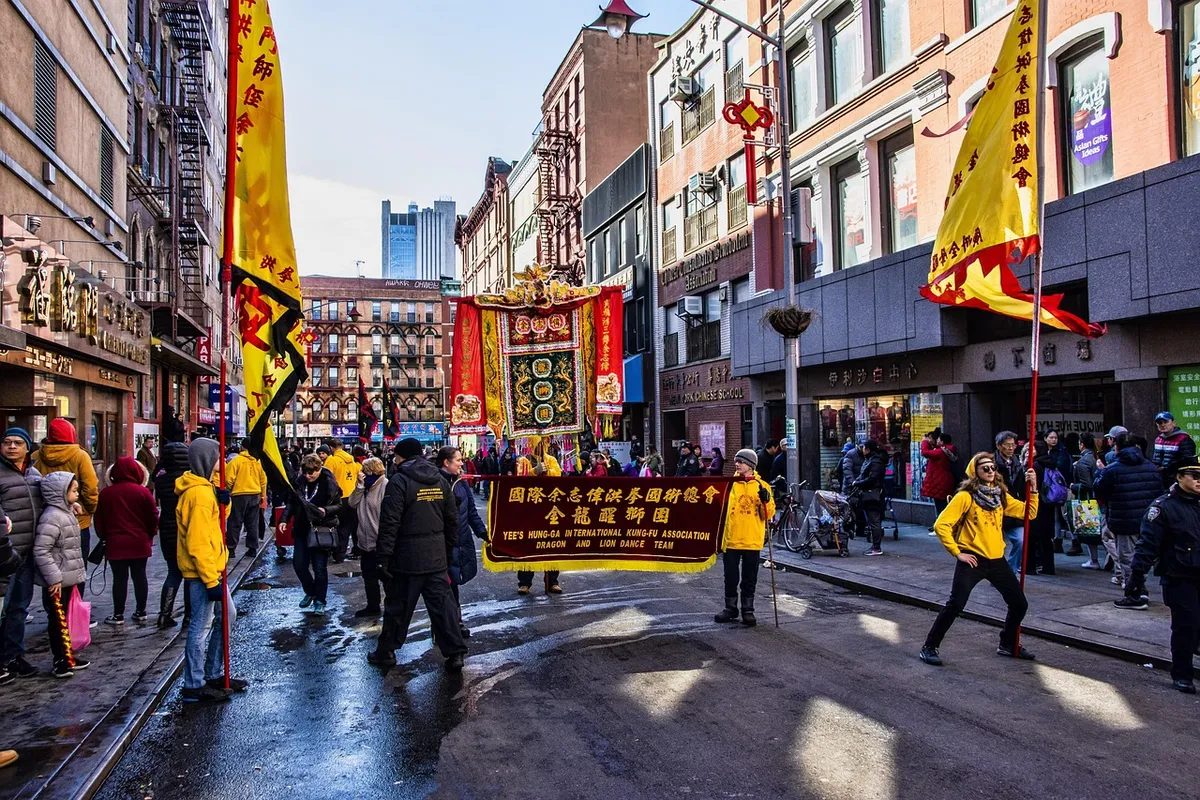
The city serves as a massive hub for learning and innovation, attracting people from all over the world. More than a million students, the highest number of any city in the United States, are enrolled in New York City's more than 120 higher education institutions.
This constant flow of young minds ensures the city remains a dynamic center of progress.
| Category | Statistic |
|---|---|
| Total Students in NYC | Over 1,000,000 |
| CUNY Enrollment (2025) | Nearly 250,000 |
I observed how the concentration of students creates a unique, revolving door of energy that keeps the streets alive.
Universities act as intellectual anchors, attracting a transient but creative population that fuels local innovation.
How can I understand urban demographic shifts?
A historian examines old census records, looking for patterns in how populations move and settle. Understanding these shifts requires looking at both the scale of movement and the specific groups involved.
- Analyze historical data to identify the primary waves of immigration that established foundational populations. 2. Examine the role of educational and economic hubs in attracting new residents and facilitating integration. 3. Evaluate how specific ethnic or linguistic groups maintain identity while contributing to the broader community. 4. Final check: Ensure that the intersection of historical trends and modern growth is fully accounted for.
- Analyze historical census data to identify population trends.
- Map changes in neighborhood composition over time.
- Correlate economic shifts with migration patterns.
What are the limitations of studying urban history?
A researcher looks at a map, realizing that the data only captures a snapshot of a much larger, moving reality. Studying these shifts requires acknowledging that numbers cannot capture the full human experience.
One limitation is that historical data represents specific points in time, such as the 1860 figure regarding German population proportions, which may not reflect the fluid nature of modern migration.
In this sequence, the second step is the most extensive.
Wikipedia: New York City Based on the retained excerpt mentioning Cornell University: Bloomberg announced his choice of Cornell University and Technion-Israel Institute of Technology to build a $2 billion graduate school of applied sciences called Cornell Tech on Roosevelt Island intending to transform New York City into the world's premier technology capital.
The subject here is Brownstone immigrant culture.
The same subject is also called Brownstone community NYC.
The same subject is also called NYC immigrant groups.
The same subject is also called Immigrant history Brownstone.
The same subject is also called Local culture Brownstone.
This part also covers Brownstone's role in NYC.
This part also covers Diversity in Brownstone.
This part also covers Community life in Brownstone.
Brownstone's role in NYC
Related
How does the immigrant journey continue today?
The immigrant's journey continues as each new arrival brings a unique perspective to the metropolis. The initial hope found at a doorstep translates into sustained engagement with the city's rhythms. This ongoing arrival sustains the cultural dynamism observed throughout the years.
The initial influx of newcomers mirrors the modern arrival, suggesting that the search for opportunity remains a constant thread. The initial journey shapes the subsequent experiences of those seeking integration into the urban fabric.
Modern migration remains a dynamic force, constantly reshaping the city's identity through new cultural expressions.
What sustains the city's cultural vibrancy?
The city's cultural vibrancy is sustained by the continuity of diverse experiences. The initial immigrant's journey contributes to the collective identity of the metropolis. This blend of arrivals creates the rich texture of the modern urban environment.


Comments 0