How to manage temperature extremes during your trip?
"The city that never sleeps requires a strategy that respects both its vibrant energy and its unpredictable climate."
A well-planned 7 day New York itinerary allows travelers to balance iconic sightseeing with the city's shifting weather patterns. This guide focuses on optimizing your route for first-time visitors while accounting for seasonal variability and historical climate extremes.
Key takeaways include preparing for significant temperature swings, understanding annual precipitation, and managing outdoor activities around sunshine averages.
How to prepare for a 7 day New York itinerary?

In the quiet of dawn, I pull a thick sweater from my suitcase to manage the sudden chill of a New York morning.
A traveler stands at a busy intersection, checking a weather app while adjusting a heavy coat against a sudden gust of wind. Preparing for a 7 day New York itinerary requires packing versatile layers to handle the transition from warm temperate moist forest climate conditions to sudden cold snaps.
This characteristic means you should prepare for humidity and rain just as much as temperature changes. Carrying a compact umbrella or waterproof shell is essential for navigating the city streets.
The goal is to remain comfortable while moving between air-conditioned museums and breezy outdoor parks. A first visit NYC itinerary succeeds when the traveler is not hindered by inadequate clothing. You should check local forecasts daily, as the city's weather is highly variable.
- Research the historical weather patterns for your specific travel dates.
- Select versatile clothing layers that can be easily added or removed.
- Pack weather-appropriate footwear suitable for extensive walking.
What is the best NYC 7 day route for seasonal weather?
A tourist walks through a sun-drenched plaza in the morning, only to see clouds gathering over the skyline by midday. Planning the best NYC 7 day route involves matching outdoor activities with the city's 234 annual days of sunshine.
The city averages 234 days with at least some sunshine annually. This frequent sunlight provides ample opportunity for walking tours and rooftop views, but it does not guarantee clear skies every day.

Using these sunny windows for outdoor landmarks like Central Park is a smart way to maximize your time.
When the weather turns, you can pivot to indoor attractions like galleries or historic libraries. An optimized NYC travel route shifts between indoor and outdoor settings to mitigate the impact of rain or snow. This flexibility ensures that a single bad weather day does not ruin the entire trip.
In this sequence, the second step is the most extensive.
How to manage temperature extremes during your trip?
A hiker looks up at the sky, noting the heat radiating from the pavement during a summer afternoon. Managing temperature extremes is vital because the city's temperature range can be quite vast.
In an average year, temperatures usually fall between 8 °F (−13 °C) and 97 °F (36 °C). While extreme temperatures are rare, they do occur, such as the highest temperature ever observed in Central Park reaching 106 °F (41 °C) on July 9, 1936.
Preparing for these fluctuations ensures your sightseeing schedule remains intact regardless of the thermometer.
| Condition | Temperature Value |
|---|---|
| Historical High (Central Park) | 106 °F (41 °C) |
| Historical Low (Central Park) | −15 °F (−26 °C) |
I noticed that even when the temperature seems stable, the wind can make it feel much colder or warmer. A successful first visit NYC itinerary accounts for these perceived changes by using the layering method.
What should you know about precipitation and snow?

A traveler pulls a heavy scarf tight as the first flakes of snow begin to fall on a sidewalk. Understanding precipitation is a key part of an optimized NYC travel route, especially regarding winter travel.
The city experiences annual precipitation averaging between 1,100 to 1,200 millimetres (42 to 49 inches). Snowfall averages 29.8 in (75.7 cm) per year, but it is noted to be highly variable between winter seasons.
This variability means you might encounter a light dusting or a significant storm during your visit.
- Pack waterproof footwear to handle wet streets and slush. 2. Monitor snowfall reports if traveling during winter months. 3. Have a backup indoor plan for days with heavy precipitation.
Always check the latest weather updates before heading out for the day. A sudden snowstorm can change transit times and walking speeds significantly.
How to handle sudden temperature shifts?
A person steps out of a warm building and immediately feels the sting of cold air. Handling sudden shifts is a necessity for anyone following a 7 day New York itinerary.
Temperatures at or above 100 °F (38 °C) and below 0 °F (−18 °C) are very rare, but they do happen. For example, the latest occurrence of temperatures at or above 100 °F was on July 2, 2026. Being aware of these rare but possible extremes helps in selecting the right gear.
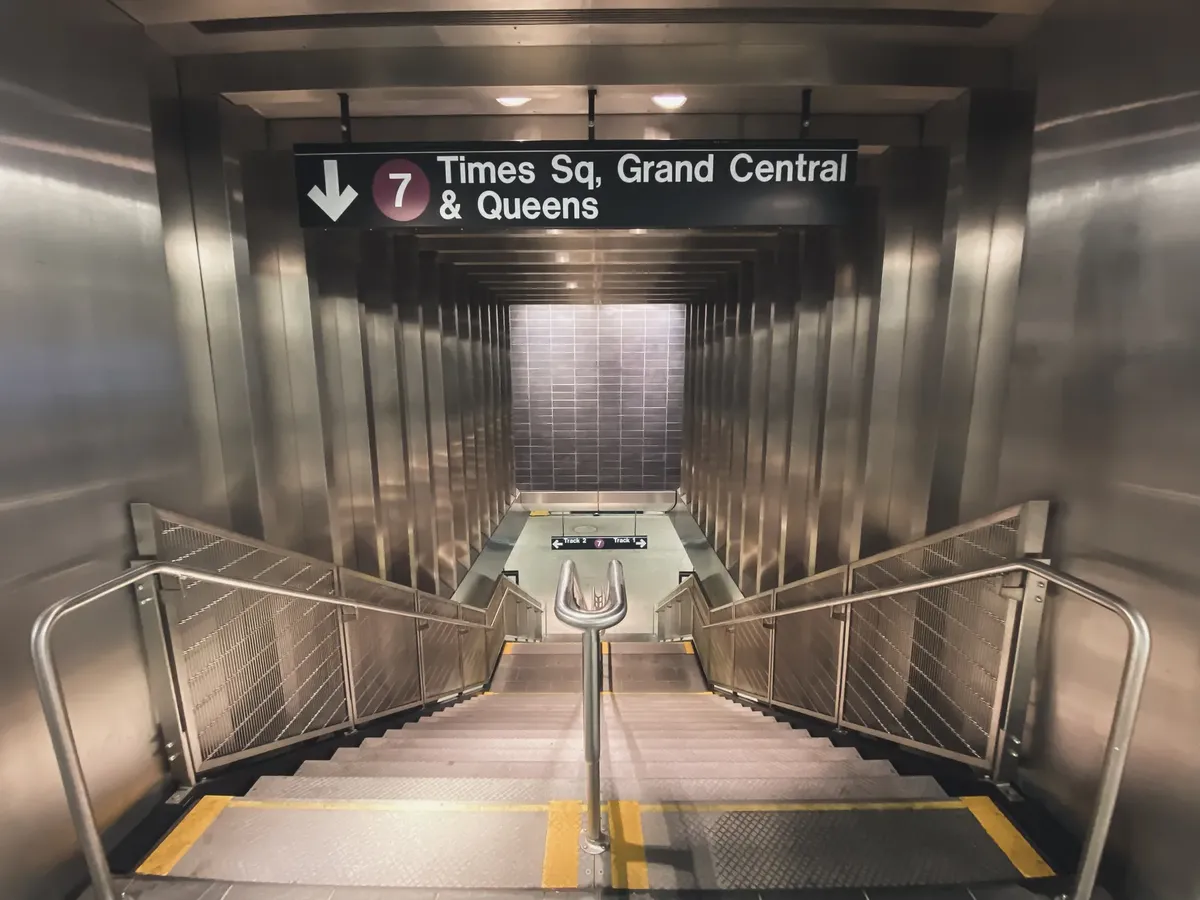
A smart way to handle this is to keep a lightweight layer in your bag at all times. This prevents you from being caught off guard when moving from a heated subway station to the outdoor air.
What are the limitations of weather-based planning?
A traveler stares at a rainy street, realizing the outdoor park tour is canceled. A primary limitation of weather-based planning is that historical averages do not predict specific daily occurrences.
While historical data provides a baseline, the highly variable nature of winter seasons and sudden temperature spikes means no plan is foolproof. For instance, the lowest daily maximum recorded was 2 °F (−17 °C) on December 30, 1917.
Relying solely on historical averages might lead to under-preparing for an unusually harsh or hot period.
The same subject is also called New York 7 day plan.
The same subject is also called First time NYC itinerary.
The same subject is also called NYC travel guide 7 days.
This part also covers NYC sightseeing schedule.
Optimized NYC travel route
Related








Comments 0