Best New York restaurants and rooftop bars guide for all
Finding the best New York restaurants and rooftop bars requires navigating a dense urban landscape filled with historic landmarks and high-rise views. This guide helps you select dining spots like French bistros or sky-high lounges while considering the city's intense climate and density. You should prepare for varying weather conditions, prioritize reservations in high-traffic areas, and be aware that rooftop comfort depends heavily on the season. 1. Identify dining styles ranging from classic French bistros to modern high-rise lounges. 2. Plan visits around Manhattan's temperature shifts and urban heat patterns. 3. Navigate a highly populated environment with specific density considerations. * Note that seasonal weather, such as summer humidity or winter cold, affects outdoor dining.
Where are the best NYC restaurants and rooftop bars?

At sunset, you lean against a cold metal railing on a high terrace to scan the skyline for the best york restaurants and rooftop bars. At sunset, you can lean against a cold metal railing on a high terrace while scanning the skyline for the best New York restaurants and rooftop bars.
A diner sits at a polished wooden table in a bustling bistro, enjoying the warmth of the kitchen and the hum of conversation. To find the best New York restaurants and rooftop bars, look toward established culinary landmarks and high-altitude venues that offer skyline views.
Manhattan offers diverse options, such as Bar Boulud, a French bistro located opposite New York City's Lincoln Center that has been operating since January 2008. For those seeking height, the skyline is defined by structures like One World Trade Center, which reached 1,776 feet to its spire in 2014.
These landmarks provide the backdrop for many of the city's premier dining experiences.
The search for top NYC dining and rooftops often leads travelers to areas near major cultural hubs. Whether you prefer a quiet meal or a vibrant atmosphere, the variety in Manhattan is vast.
Where can I find the best NYC food near the subway?
A commuter steps off a crowded train, the scent of roasted coffee and street food filling the air as they walk toward a nearby eatery. Finding the best NYC food near subway access is essential for navigating the island's high density.
Manhattan is one of the most densely populated locations in the world, with a 2020 census population of 1,694,250 residents living in a land area of 22.66 square miles. This density means that most major dining districts are situated near transit hubs.
Navigating these crowded streets requires timing your visits to avoid peak rush hours.
Finding a New York food and rooftop guide helps travelers locate eateries that are easily reachable via the subway system. Being close to transit allows for a seamless transition from sightseeing to dining.
How do I choose an NYC rooftop bar area guide?
A group of friends stands on a breezy terrace, watching the sunset reflect off the glass towers of the midtown skyline. Using an NYC rooftop bar area guide allows you to select a venue based on the specific atmosphere and view you desire.
When selecting a location, consider the elevation and the surrounding architecture. Some bars offer views of the historic Lower Manhattan area, while others focus on the modern towers of Midtown.
Your choice will dictate whether you are looking down at the bustling streets or gazing across the river at the distant horizon.
The New York rooftop bar subway access is a key factor for many visitors. Choosing a bar near a major station ensures that your evening can transition easily to other parts of the city.
What should I know about the weather for rooftop dining?
A guest wraps a shawl tighter around their shoulders as a sudden chill rolls off the Hudson River during a late evening cocktail. Understanding the local climate is vital for anyone planning to dine outdoors or on a rooftop.
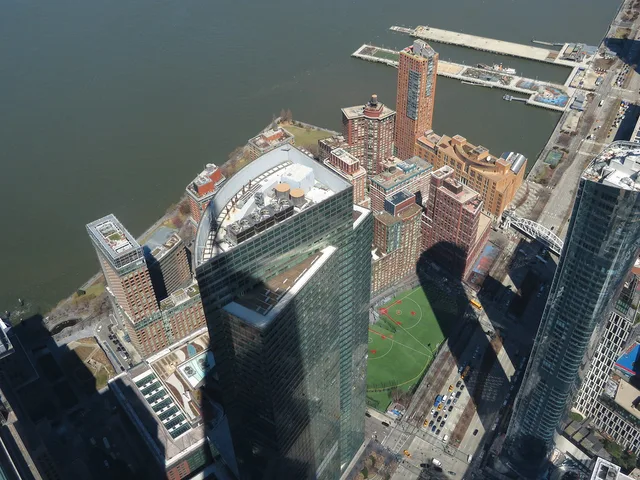
The weather in Manhattan can be unpredictable, especially when considering the urban heat island phenomenon. This effect can raise nighttime temperatures by as much as 7 °F (4 °C) when winds are slow, as heat absorbed during the day is radiated back at night.
In the summer, July sees a daily mean temperature of 76.5 °F (24.7 °C), but daytime temperatures can exceed 90 °F (32 °C) on average for 17 days.
| Season | Typical Condition | Average/Key Temperature |
|---|---|---|
| July | Warm to hot and humid | 76.5 °F (24.7 °C) |
| January | Coldest month | 32.6 °F (0.3 °C) |
I checked the local temperature forecasts before deciding whether to book an outdoor table for my evening meal.
How to plan a dining trip in Manhattan?
A traveler unfolds a map on a cafe table, marking potential stops between a museum visit and a late-night dinner. To ensure a smooth experience, follow these steps to manage the city's scale and climate.
- 2. Check the seasonal weather forecast, noting that temperatures can drop to 10 °F (−12 °C) several times during the winter. 3. Confirm reservation availability, especially for popular spots that cater to the high volume of international visitors.
Perform a final check by verifying the transit route to your chosen restaurant to ensure it is accessible during your planned dining time.
Are there limitations to rooftop dining?
A waiter moves quickly through a crowded terrace, adjusting umbrellas to shield guests from the midday sun. There are specific conditions that may limit your outdoor dining experience.
During the winter, the daily mean temperature in January is 32.6 °F (0.3 °C), which may make outdoor seating uncomfortable or unavailable.
Is the weather always good for rooftops?
No, the weather can vary significantly, with temperatures reaching 60 °F (16 °C) even in the coldest winter months, and summer heat can be exacerbated by the urban heat island effect.
Can I find dining near transit?
Yes, because Manhattan is a densely populated area with 72,918 residents per square mile, most dining options are located within reach of the city's extensive transit network.
Planning your visit to Manhattan's restaurants and rooftops requires an awareness of the city's unique density and shifting seasonal temperatures.
How can I prepare for Manhattan's density?
You should prepare for high-traffic areas by timing your visits to avoid peak rush hours. Because Manhattan is one of the most densely populated locations in the world, navigating crowded streets requires careful planning.
Finding a way to move through these populated environments involves prioritizing transit hubs near major dining districts.
When finding a route, consider that most major dining districts are situated near subway access. This proximity allows for a seamless transition between sightseeing and dining.
You should also note that the high density of the island means that most eateries are easily reachable via the subway system.
What conditions affect outdoor comfort?
Outdoor comfort depends heavily on the season and the specific urban environment. You must be aware that summer humidity or winter cold directly affects the viability of outdoor dining.

The urban heat island phenomenon can raise nighttime temperatures by as much as 7 °F (4 °C) when winds are slow, which changes the condition of rooftop venues.
Comparing seasons is necessary because January is the coldest month with a mean temperature of 32.6 °F (0.3 °C). Conversely, July brings warm to hot and humid conditions. You should check the seasonal weather forecast to account for these shifts before booking an outdoor table.
Best New York restaurants and rooftop bars
The same subject is also called Best NYC eats and rooftop bars.
The same subject is also called NYC restaurant and rooftop list.
This part also covers NYC rooftop bar subway access.
Wikipedia: Manhattan (full) Based on the retained excerpt mentioning One World Trade Center: In 2014, the new One World Trade Center, at 1,776 feet (541 m) measured to the top of its spire, became the tallest building in the Western Hemisphere and is the world's seventh-tallest building (as of 2023).
Related






Comments 0