NYC year round must sees: Explore culture with our tips
"The energy of the city is felt in its constant motion, from the roar of a stadium to the quiet of a forest trail."
New York City offers a diverse range of experiences, from professional sports and major athletic tournaments to sprawling natural preserves and academic hubs. This guide explores the various ways to engage with the city's culture through its sports, education, and natural landscapes.
How to experience NYC year round must sees?
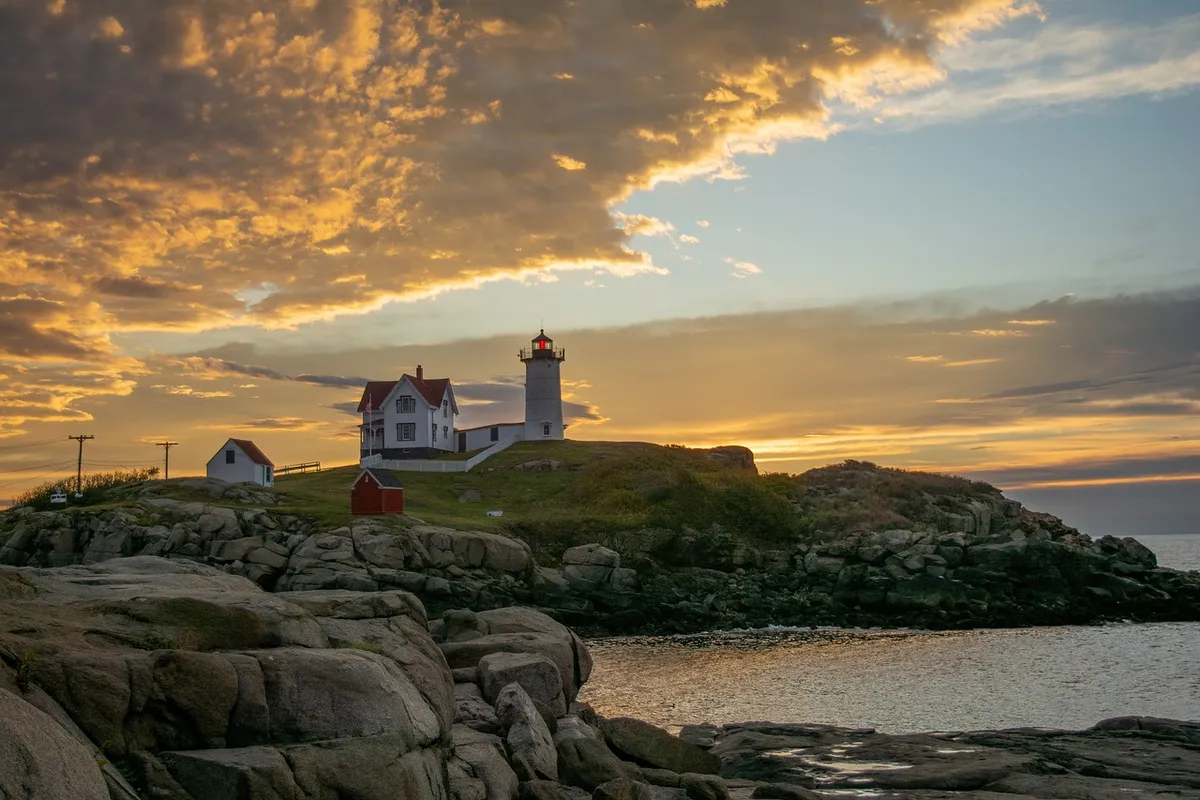
Walking through a bustling park, one might feel the sudden shift from urban noise to natural tranquility. The city provides a constant variety of environments to explore.
The city features diverse environments, including the Bronx Zoo, which spans 265 acres and houses more than 6,000 animals. For those seeking a more natural escape, the Staten Island Greenbelt provides approximately 2,500 acres of space, featuring 28 miles of walking trails.
These locations offer a reprieve from the dense urban landscape.
What are the top NYC events all year?
Attending a high-stakes tennis match in Queens brings a different kind of excitement to the city. Major athletic events draw crowds from around the globe.
Queens is the site of Citi Field, home of the New York Mets, and hosts the annual US Open tennis tournament at the USTA Billie Jean King National Tennis Center in Flushing Meadows–Corona Park. Future developments include plans to build Etihad Park, a soccer-specific stadium for New York City FC.
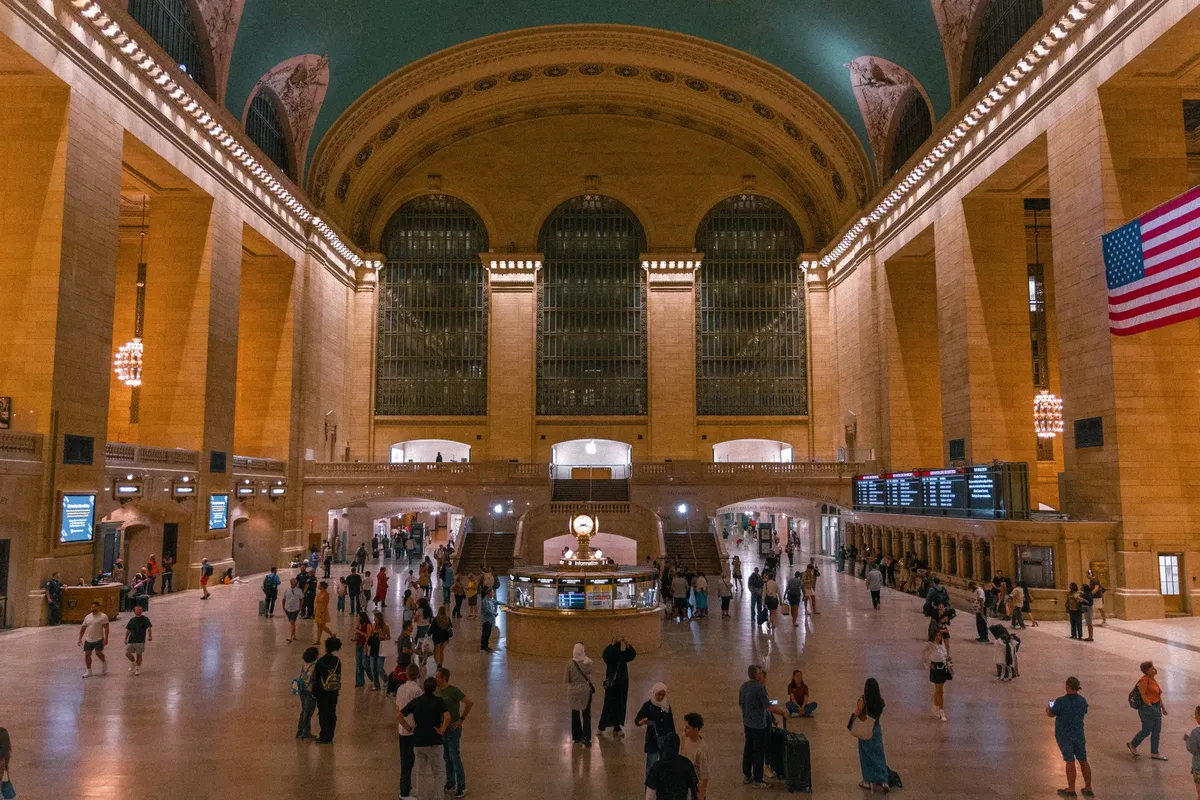
These venues ensure that sports enthusiasts have constant opportunities for engagement.
How can you find must do in New York through sports?
The atmosphere in a baseball stadium is electric, filled with the sounds of cheering fans and the crack of the bat.
What are the yearly NYC experiences in education?
Walking across a university campus, the sense of intellectual energy is palpable. The city serves as a massive hub for higher learning.
More than a million students, the highest number of any city in the United States, are enrolled in New York City's more than 120 higher education institutions, with nearly a quarter million in the City University of New York (CUNY) system alone as of 2025.
How to navigate the holiday season NYC guide?
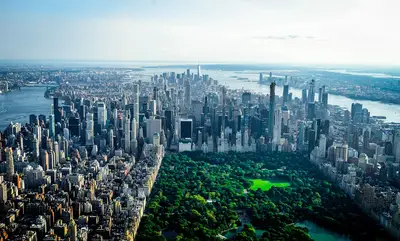
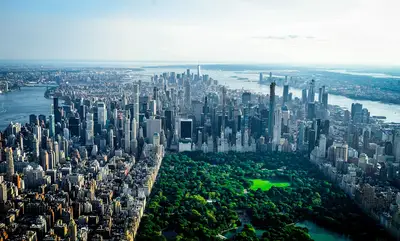
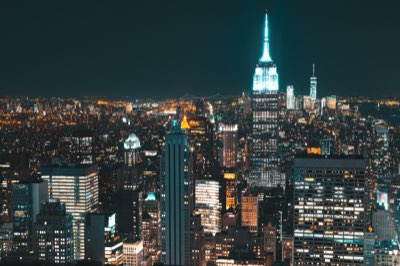
The skyline is a constant reminder of the city's architectural ambition and history. Navigating the various districts requires an understanding of the city's layout.

The city's total area is 468.484 square miles (1,213.37 km2). Within this area, 302.643 sq mi (783.84 km2) of the city is land and 165.841 sq mi (429.53 km2) of it is water. Exploring these different zones allows for a varied experience of the urban landscape.
What are the marathon to movie sets and producer's NYC tour options?
Standing in the middle of a historic district, one can feel the weight of the past and the momentum of the future. The city's development is an ongoing process.
The area was rebuilt with a new World Trade Center, the National September 11 Memorial and Museum, and other new buildings and infrastructure, including the World Trade Center Transportation Hub, the city's third-largest hub.
The new One World Trade Center is the tallest skyscraper in the Western Hemisphere and the world's seventh-tallest building by pinnacle height, with its spire reaching a symbolic 1,776 feet (541.3 m), a reference to the year of American independence.
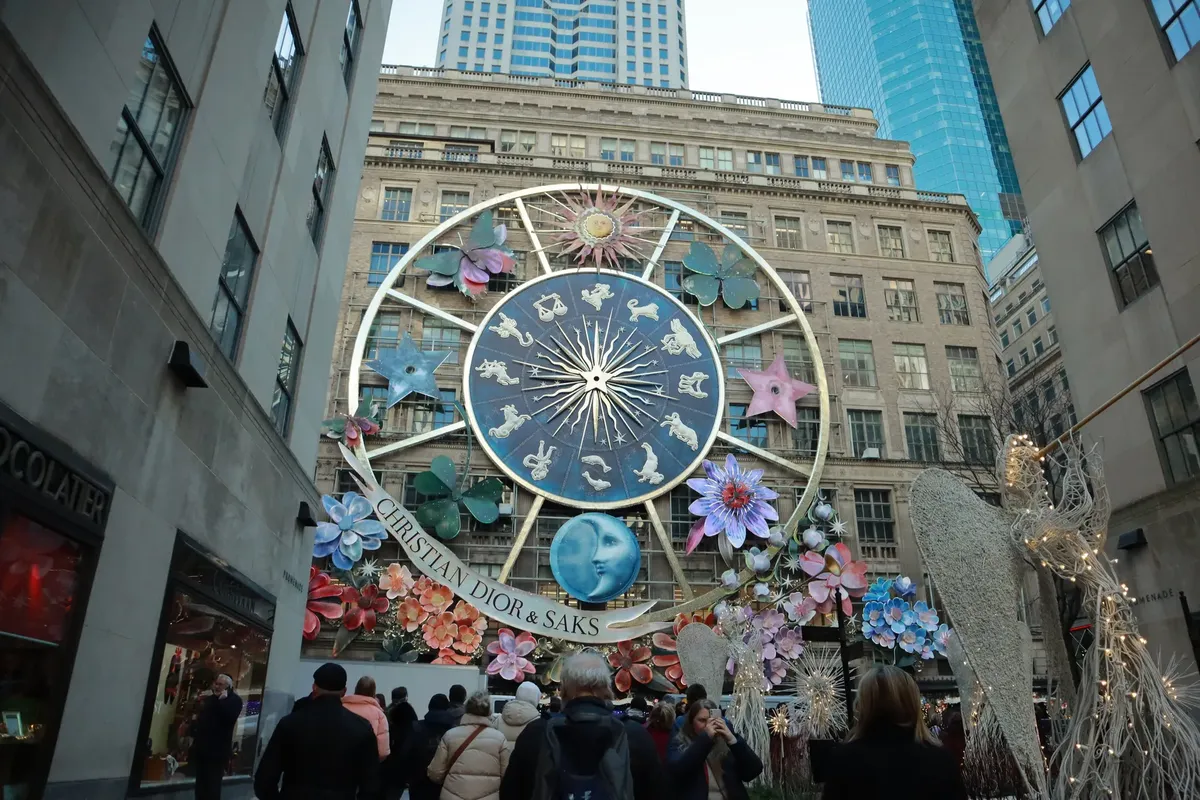
Wikipedia: New York City Based on the retained excerpt mentioning Cornell University: Bloomberg announced his choice of Cornell University and Technion-Israel Institute of Technology to build a $2 billion graduate school of applied sciences called Cornell Tech on Roosevelt Island intending to transform New York City into the world's premier technology capital.
- How to experience NYC year round must sees?
- What are the top NYC events all year?
- How can you find must do in New York through sports?
The subject here is NYC year round must sees.
The same subject is also called NYC happenings nonstop.
Related
- NYC hotel value guide: Outside Manhattan stay tips
- How to manage temperature extremes during your trip?
How does the city energy compare across different environments?
The energy of the city shifts when comparing the dense urban landscape to the expansive natural preserves. While the urban areas provide constant motion, the 2,500 acres of the Staten Island Greenbelt offer a different kind of space through its 28 miles of walking trails.
- Observe the transition from urban noise to natural tranquility in parks. 2. Compare the scale of the 265-acre Bronx Zoo to the larger Staten Island Greenbelt. 3. Note the difference between the dense city layout and the water-covered portions of the total area.
What conditions define the city's architectural and educational landscape?
The city's landscape is defined by both its physical dimensions and its academic density. The total area includes 165.841 sq mi of water, which contrasts with the 302.643 sq mi of land.
In terms of educational conditions, the presence of more than 120 higher education institutions supports over a million students. This academic energy is further concentrated by the development of Cornell Tech on Roosevelt Island, which aims to transform the city into a technology capital.
Comments 0