Brooklyn brownstone shopping guide for local charm
"To walk the streets of Brooklyn is to step into a living museum of limestone, brick, and curated local charm."
This Brooklyn brownstone shopping guide offers essential directions for travelers wanting to navigate historic residential corridors like a local.
Focus on independent boutiques and neighborhood storefronts, avoid the heavy commercial crowds of Midtown, and prepare for narrow sidewalks.
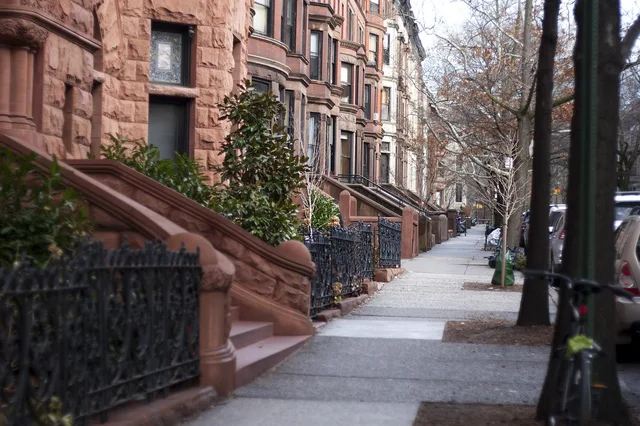
While these areas offer immense character, please note that many specialty shops in these historic districts maintain limited seasonal hours or operate by appointment.
| Feature | Detail |
|---|---|
| Primary Vibe | Historic residential charm and independent retail |
| Best Time to Visit | Mid-morning on weekdays to avoid weekend crowds |
| Navigation | Walking or local bus routes |
How to shop like a Brooklyn local?
A visitor steps off a quiet subway platform and begins walking past rows of stoops and ivy-covered facades. To master the Brooklyn brownstone shopping guide, you must prioritize small-scale discovery over large department stores in the best Brooklyn shopping areas.
Instead of searching for a single mall, you should wander through specific blocks where artisan goods are sold in repurposed residential-style buildings.
Local shopping tips involve identifying the "main street" of a specific neighborhood, such as Bedford Avenue or Atlantic Avenue, where the density of boutiques increases.
You can find unique home decor, vintage clothing, and handmade jewelry by looking for storefronts that blend into the architectural fabric of the street. Most successful outings rely on a slow pace rather than a checklist.
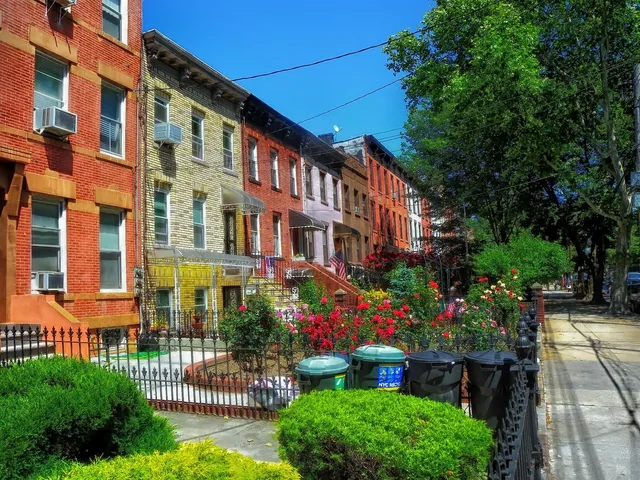
- Skip the massive malls and head to the neighborhood boutiques.
- Visit local markets on weekends to find unique, handmade goods.
- Carry cash for small vendors and artisanal pop-up stalls.
A Brooklyn Brownstone Shopping Guide
The sun hits the red sandstone of a townhouse as a pedestrian turns a corner into a cluster of small shops. Finding the right Brownstone district boutiques requires understanding the distinction between residential blocks and commercial hubs.
While the brownstones themselves are homes, the immediate surrounding streets serve as the retail heart of the community.
Brownstone area shopping tips suggest looking for areas where the architecture transitions from strictly residential to mixed-use. These pockets allow you to view historic architecture while browsing high-end or artisanal goods.
You will find that the most interesting items are often tucked away in corners that lack large neon signage.
Explore the vibrant streets of Williamsburg for trendy fashion, or wander through Park Slope to find charming lifestyle boutiques and cozy bookstores.
Which Brooklyn brownstone stores should I visit?
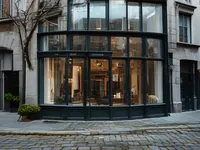
A person reaches for a brass door handle of a small boutique nestled between two massive limestone residences. Searching for Brooklyn brownstone stores means looking for businesses that respect the historic scale of the neighborhood.
These shops often specialize in niche categories like rare books, apothecary items, or local ceramics.
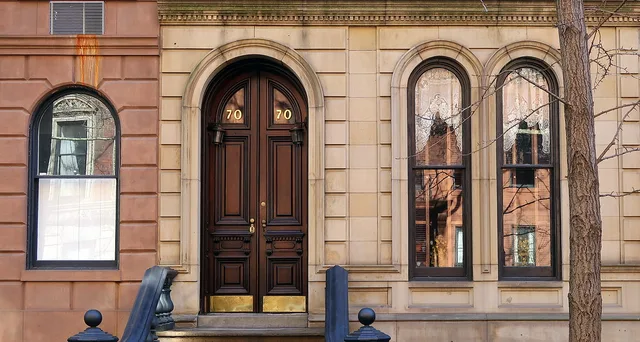
You can follow a Local Brooklyn shopping guide by focusing on the "maker" culture prevalent in these districts. Many owners are residents themselves, offering a level of curation that larger retailers cannot match.
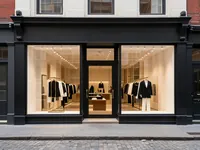
I found that checking the window displays of these smaller establishments often reveals more about the neighborhood's current trends than any digital advertisement.
Keep an eye out for independent retailers housed in historic brownstones, which often feature curated vintage collections and specialty home decor.
How can I use a Local Brooklyn shopping guide?
A shopper checks a paper map while standing near a wrought-iron fence under a clear afternoon sky. To use Brooklyn local shopping tips effectively, you should follow a structured approach to your exploration.
- Select one specific neighborhood to avoid exhaustion from traveling between distant boroughs. 2. Identify three anchor boutiques that align with your specific interests, such as fashion or home goods. 3. Allocate at least two hours for a single walking circuit to allow for spontaneous discoveries.
After completing these steps, perform a final check of your route to ensure you are not walking too far from a subway station.
Use a guide to map out specific neighborhoods, ensuring you maximize your time by grouping nearby shops together.
Can I find everything in one place?
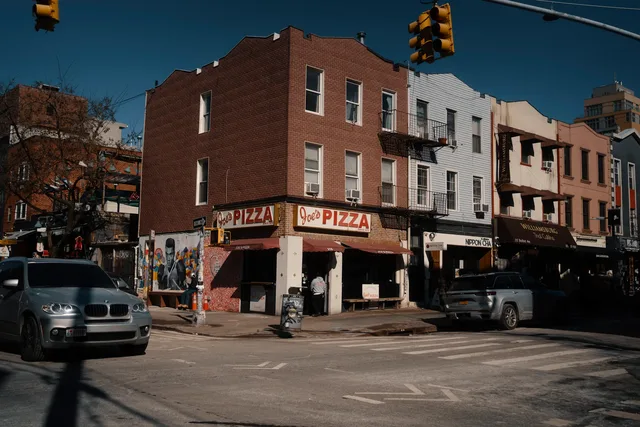
A traveler stands at a busy intersection, looking at the vast array of different directions. Using a Local Brooklyn shopping guide is most effective when you accept that the experience is decentralized.
Unlike a shopping mall, the best finds are spread across several blocks of historic residential streets.
This method of exploration is a limitation for those seeking a one-stop retail experience. Because the shops are integrated into the brownstone fabric, you must be prepared to walk significant distances between different types of merchandise.
While no single street holds every item, visiting major hubs like Atlantic Avenue or Bedford Avenue will give you a wide variety of options in one trip.
What should I watch out for while walking the streets?
Watch out for narrow sidewalks and the limited seasonal hours of specialty shops. When you walk the streets of these historic districts, the physical layout of the residential corridors can be restrictive.
You should also be cautious of the distinction between residential blocks and commercial hubs to ensure you are in a retail-friendly area.
If you choose to visit during the weekend, you should prepare for larger crowds compared to the mid-morning weekday visits mentioned in the guide. This comparison highlights why a slower pace is necessary for a successful outing.
You must also account for the fact that many boutiques operate by appointment, which serves as a condition for accessing certain niche goods.
Stay aware of your surroundings, watch for uneven sidewalks common in older neighborhoods, and keep an eye on your belongings in crowded pedestrian areas.
Is the shopping experience centralized?
No, the shopping experience is decentralized and spread across several blocks. Because the boutiques are integrated into the brownstone fabric, you cannot find everything in one place like a traditional mall.
This condition requires you to walk significant distances between different types of merchandise, such as moving from vintage clothing to handmade jewelry.
Wikipedia: Brooklyn Street Circuit (full) Based on the retained excerpt mentioning Fédération Internationale de l'Automobile (FIA) officials: In September 2016, New York City and Fédération Internationale de l'Automobile (FIA) officials announced the establishment of a 2017 event in the city for Formula E, with the Red Hook location selected over other potential sites including Central Park.




Comments 0