Brooklyn brownstone guide for 19th-century rows
"To walk through Brooklyn is to witness the architectural heartbeat of a city that never stops evolving."
A Brooklyn brownstone walking tour allows you to experience the quiet, residential elegance of New York’s historic neighborhoods through a local lens. This guide is for travelers seeking architectural beauty and neighborhood charm rather than the frantic pace of Manhattan.
To navigate these streets like a local, focus on the Brooklyn brownstone walking tour through areas such as Park Slope or Brooklyn Heights, avoid trespassing on private stoops, and observe the seasonal changes in window displays.
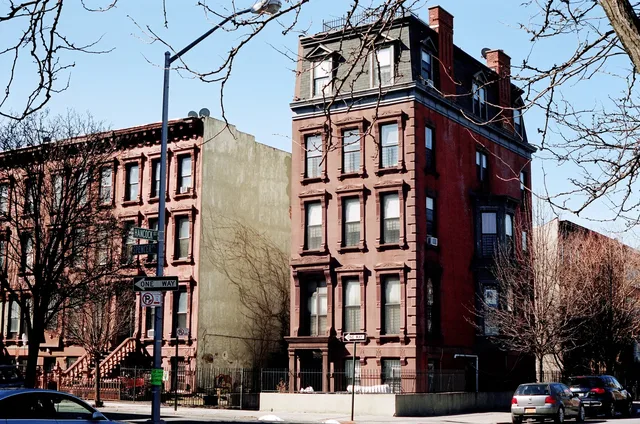
One limitation is that specific residential access is restricted to public sidewalks.
| Feature | Details |
|---|---|
| Primary Neighborhoods | Park Slope, Brooklyn Heights, Bedford-Stuyvesant |
| Best Time to Walk | Mid-morning or late afternoon |
| Focus | Architectural details and residential greenery |
How to start your Brooklyn brownstone walking tour?
A pair of comfortable sneakers hits the pavement as the morning sun reflects off the deep red sandstone of a quiet side street. You begin your Brooklyn brownstone walking tour by selecting a neighborhood known for its high concentration of intact 19th-century rows.
Starting in Brooklyn Heights offers a sense of history, where the elevated views meet the sturdy, rhythmic facades of the historic district.
A local Brooklyn street guide suggests moving slowly to notice the intricate ironwork on the railings and the unique carvings above the lintels. Instead of rushing between landmarks, focus on the transition between the street and the private gardens.
This slow pace allows you to see how residents maintain these historic structures, turning a simple walk into a study of urban preservation.
- Choose a neighborhood known for architectural density, such as Park Slope or Bedford-Stuyvesant.
- Download an offline map of the area to ensure you can navigate side streets easily.
- Pack comfortable walking shoes and a camera to capture the intricate masonry details.
What is the Brooklyn brownstone lifestyle like?
A resident pulls a small potted plant onto a narrow stone stoop while the scent of fresh coffee wafts from an open window nearby. Engaging with the Brooklyn brownstone lifestyle means appreciating the intersection of private domesticity and public sidewalk life.
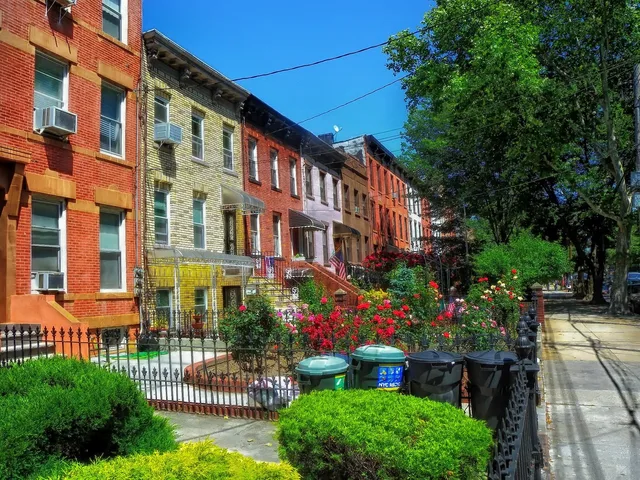
These homes are not just museum pieces; they are active dwellings where the stoop serves as a social threshold.
The Brooklyn historic brownstone tour reveals how these buildings foster a sense of community through shared streetscapes. You might see neighbors chatting near their entrance or children playing on the sidewalk.
This lifestyle is characterized by a deep connection to the immediate block, where the architecture dictates a slower, more observant way of interacting with the surroundings.
Living in a brownstone offers a blend of historic charm and urban community, characterized by high ceilings, stoops that serve as social hubs, and a sense of permanence in a changing city.
Where can I find a walking route like a local?
The sound of distant subway trains fades as you turn into a leafy corridor where the canopy of trees meets the brownstone facades. Finding a Brooklyn local walking route requires stepping away from the major commercial hubs and into the residential grid.
Areas like Bedford-Stuyvesant provide a different texture, showcasing how brownstones have adapted to various cultural shifts over the decades.
Following a Brooklyn local walking route involves looking for the "hidden" details, such as the specific color of a heavy oak door or the way ivy climbs a brick chimney.
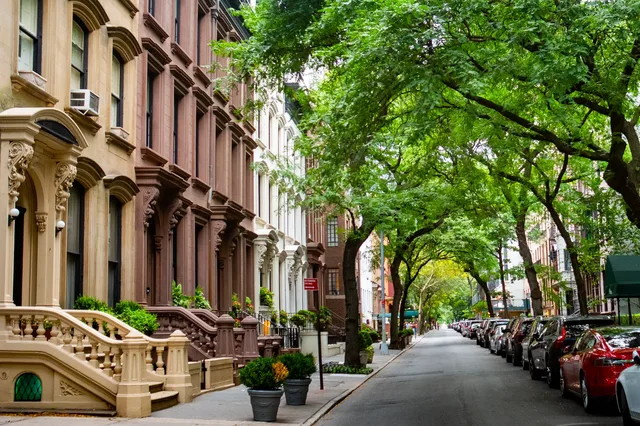
A Brooklyn historic street culture is most palpable when you walk through these secondary streets, where the noise of the city drops and the architectural rhythm takes over.
Look for neighborhood blogs, community walking group forums, or local historical society websites that often highlight specific blocks of interest.
How to navigate the Brooklyn historic brownstone tour?
The afternoon light casts long, dramatic shadows across the wide staircases as you navigate the winding residential paths. To successfully complete a Brooklyn historic brownstone tour, follow these steps to ensure a respectful and enriching experience:
- Select a specific neighborhood to avoid aimless wandering and to see a cohesive architectural style. 2. Maintain a respectful distance from private entrances and stoops to honor the privacy of the residents. 3. Use a digital map or a local guidebook to identify specific eras of construction, such as Neo-Grec or Italianate.
I found that checking the orientation of the sun helps in choosing which side of the street to walk on for the best lighting. Always finish your walk by checking your surroundings to ensure you are returning to a main thoroughfare.
Focus on the architectural elements like cornices, lintels, and stoops, and try to walk through residential side streets rather than major avenues to see the most intact rows.
What are the limits of a Brooklyn brownstone street walk?
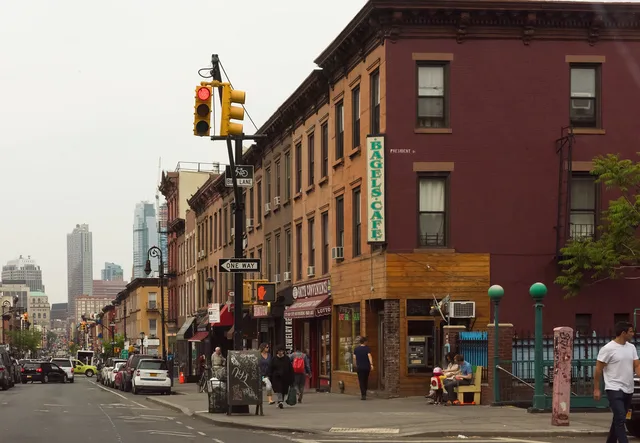
A sudden rain shower sends pedestrians scurrying toward the shelter of a nearby cafe, leaving the empty streets to the quiet architecture. While a Brooklyn brownstone street walk offers immense beauty, it is important to recognize its boundaries.
The experience is primarily visual and observational, centered on the public realm of the sidewalk.
A limitation of this activity is that you cannot enter the interiors of these historic homes without an invitation, meaning the experience is strictly limited to exterior architectural appreciation.
You are a spectator of the facade, not a participant in the private domestic life occurring behind the heavy doors.
Be mindful of private property boundaries and respect the privacy of residents, as many of these historic homes are active private residences.
Should you compare different neighborhoods?
Comparing different neighborhoods allows you to see how architectural styles vary between Park Slope and Bedford-Stuyvesant. While Park Slope offers a sense of historic cohesion, Bedford-Stuyvesant showcases how these structures adapt to cultural shifts.
You can walk through these distinct areas to observe the differences in residential greenery and facade textures.
Comparing neighborhoods allows you to see how different eras of construction and varying levels of preservation create distinct visual identities across the borough.
What precautions should I take?
Always maintain a respectful distance from private stoops to avoid trespassing on residential property. You should also be cautious of sudden weather changes, such as rain showers, which can affect your ability to observe the streetscape comfortably.
Using a map helps you stay on public sidewalks and avoid wandering into restricted private spaces.
Wikipedia: Brooklyn Street Circuit (full) Based on the retained excerpt mentioning Fédération Internationale de l'Automobile (FIA) officials: In September 2016, New York City and Fédération Internationale de l'Automobile (FIA) officials announced the establishment of a 2017 event in the city for Formula E, with the Red Hook location selected over other potential sites including Central Park.






Comments 0