Brooklyn brownstone bakery recipe guide for home bakers
"The scent of toasted grains and warm yeast drifting through the stoops of a Brooklyn street is more than just an aroma; it is a piece of the neighborhood's soul."
This guide explores the essence of a Brooklyn brownstone bakery recipe by focusing on the traditional methods used in local artisanal shops. You will learn how to recreate that specific crust and crumb, although success depends heavily on your kitchen's ambient humidity.
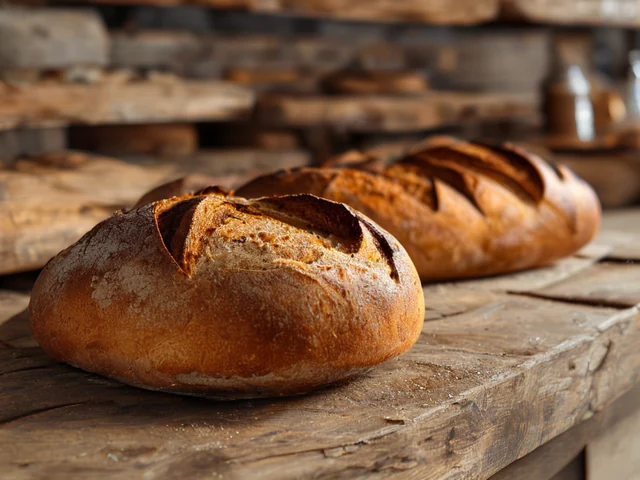
This article is for home bakers seeking an authentic urban flavor, covering the essential steps, common pitfalls, and the specific textures that define this style.
* Mastering the long fermentation process. * Achieving the signature dark, crispy crust. * Managing hydration for an open crumb. * Understanding local environmental influences.
How to master a Brooklyn brownstone bakery recipe?
A baker stands before a heavy wooden table, dusting flour into the air as the morning sun hits the brickwork of a nearby brownstone. To master a Brooklyn brownstone bakery recipe, you must prioritize time and temperature control above all else.
The secret lies in a slow, cold fermentation that allows complex sugars to develop within the dough.
Authentic Brooklyn bakery recipes rely on high-quality, stone-ground flours that provide a robust structure. You cannot rush the rise; instead, you must allow the dough to sit in a cool environment to build depth.
This patience results in the tangy, slightly acidic profile found in the best neighborhood loaves.
- Source high-quality, organic stone-ground flour to mimic the artisanal texture.
- Monitor the ambient humidity in your kitchen to adjust hydration levels.
- Allow for a long, cold fermentation process in the refrigerator to develop deep flavor.
What makes the Brooklyn bread recipe unique?
The baker pulls a heavy cast-iron pot from a preheated oven, the steam rising in a thick cloud. The specific character of a Brooklyn bread recipe comes from the interaction between high hydration and a long proofing period. This combination creates the irregular, airy holes known as an open crumb.
Many enthusiasts seek out a Brownstone baking guide to understand how to handle wetter doughs. The key is using a folding technique rather than traditional kneading to preserve the delicate air bubbles. This method ensures the bread remains light despite the heavy, rustic crust.
The uniqueness lies in the combination of high-hydration dough and a long fermentation period, which creates a signature chewy crumb and a thick, caramelized crust.
Can I use a Brownstone bakery secrets approach at home?
A person carefully scrapes the bottom of a flour bin, looking for the right texture to start their morning bake. Implementing Brownstone bakery secrets involves mimicking the professional environment of a small-scale urban bakery.
This means using high-heat methods to achieve a thick, caramelized exterior.
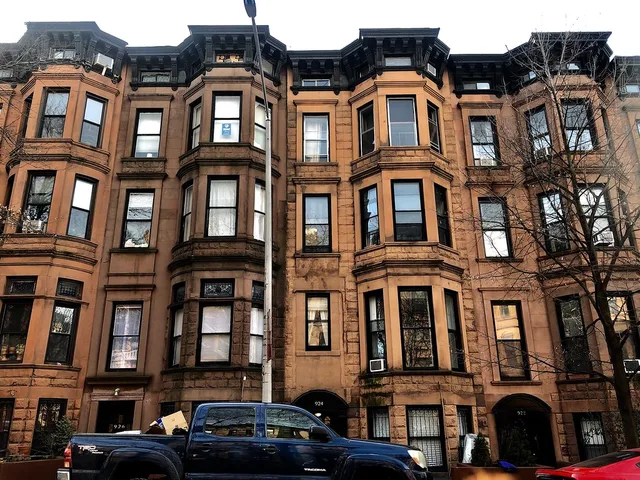
Much like these chosen locations, your baking environment—specifically the humidity and temperature of your kitchen—will dictate the final outcome of your dough.
Yes, you can replicate these results by investing in a Dutch oven to trap steam and using a digital scale for precise ingredient measurements.
How to follow a Brownstone baking guide?
A baker lines a stone hearth with parchment paper, preparing for the final bake. To follow a professional guide, you must adhere to a strict sequence of temperature and moisture management.
- Mix the flour and water until no dry spots remain, allowing the dough to autolyse for thirty minutes. 2. Perform series of "stretch and folds" every thirty minutes during the first two hours of fermentation to build strength. 3. Shape the dough into a tight boule and place it in a proofing basket for a long, cold rest in the refrigerator.
I found that checking the tension of the dough during the final shaping is the most critical moment for success.
Focus on the tactile feel of the dough rather than strictly adhering to time, as temperature fluctuations will affect the rise.
What are the limitations of this style?
A baker wipes sweat from their brow as they monitor a thermometer in a humid kitchen. This method is not a universal solution for all flour types or climates.
The specific results of a Brooklyn brownstone bakery recipe are limited by the specific hydration levels and the protein content of your flour. If your flour lacks sufficient strength, the high hydration required for this style will cause the dough to collapse rather than rise.
This method requires significant counter space for proofing and a high level of patience due to the lengthy rising times.
Comparison of Baking Styles
| Feature | Artisanal Brooklyn Style | Standard Home Bread |
|---|---|---|
| Fermentation Time | Long/Cold | Short/Warm |
| Crust Texture | Thick and Crunchy | Soft and Thin |
While commercial yeast-heavy breads prioritize speed and softness, the Brooklyn style prioritizes complex flavor profiles and structural integrity.
Related
How does the environment impact the scent and texture?
The environment impacts the scent and texture by altering how the dough interacts with the ambient humidity of your kitchen. High humidity levels change the way the dough handles during the fermentation and shaping stages.
If the moisture in your kitchen is too high, the dough may become difficult to manage during the folding process.
Comparing the artisanal Brooklyn style to standard home bread reveals that the fermentation time is a primary differentiator. While standard home bread uses a short and warm fermentation, the Brooklyn style requires a long and cold process.
This difference in timing is what allows the toasted notes to develop in the crust.
Caution is necessary when working with different flour types in varying climates. Because the success of the recipe depends on the protein content of your flour, a lack of strength will cause the dough to collapse under high hydration.
You must monitor the temperature closely to ensure the long fermentation process remains stable.
Why is temperature control vital for the scent and crust?
Temperature control is vital because it dictates the speed of fermentation and the development of the toasted aroma. A cool environment allows for the slow fermentation required to build complex sugars.
If the temperature is too high, the dough may rise too quickly, preventing the development of the specific flavor profile.
Comparing the two styles shows that the long, cold fermentation of the Brooklyn method produces a different crust than the short, warm method used in standard home bread. The thicker, crunchy texture of the artisanal style relies on this extended time.
Caution should be taken when the kitchen humidity fluctuates. High moisture levels can make the dough harder to fold, which affects the final open crumb structure.
Wikipedia: Brooklyn Street Circuit (full) Based on the retained excerpt mentioning Fédération Internationale de l'Automobile (FIA) officials: In September 2016, New York City and Fédération Internationale de l'Automobile (FIA) officials announced the establishment of a 2017 event in the city for Formula E, with the Red Hook location selected over other potential sites including Central Park.






Comments 0