NYC vs. Philly: The High-Stakes Rivalry in the NL East Race
"In the NL East, it isn't just about the pennant; it's about proving which city's grit holds more weight."
The rivalry between the New York Mets and the Philadelphia Phillies is a high-stakes tug-of-war that defines the pulse of the NL East. It is a clash of regional identities, where the sheer scale of New York meets the uncompromising passion of Philadelphia.
* The rivalry is a constant pressure cooker within the NL East race. * Historical dominance often shifts between extreme lopsidedness and tight parity. * The conflict mirrors the cultural tension between two of the East Coast's most distinct metropolitan hubs.

The Geographic Echo: Why NYC vs. Philly Matters in Baseball
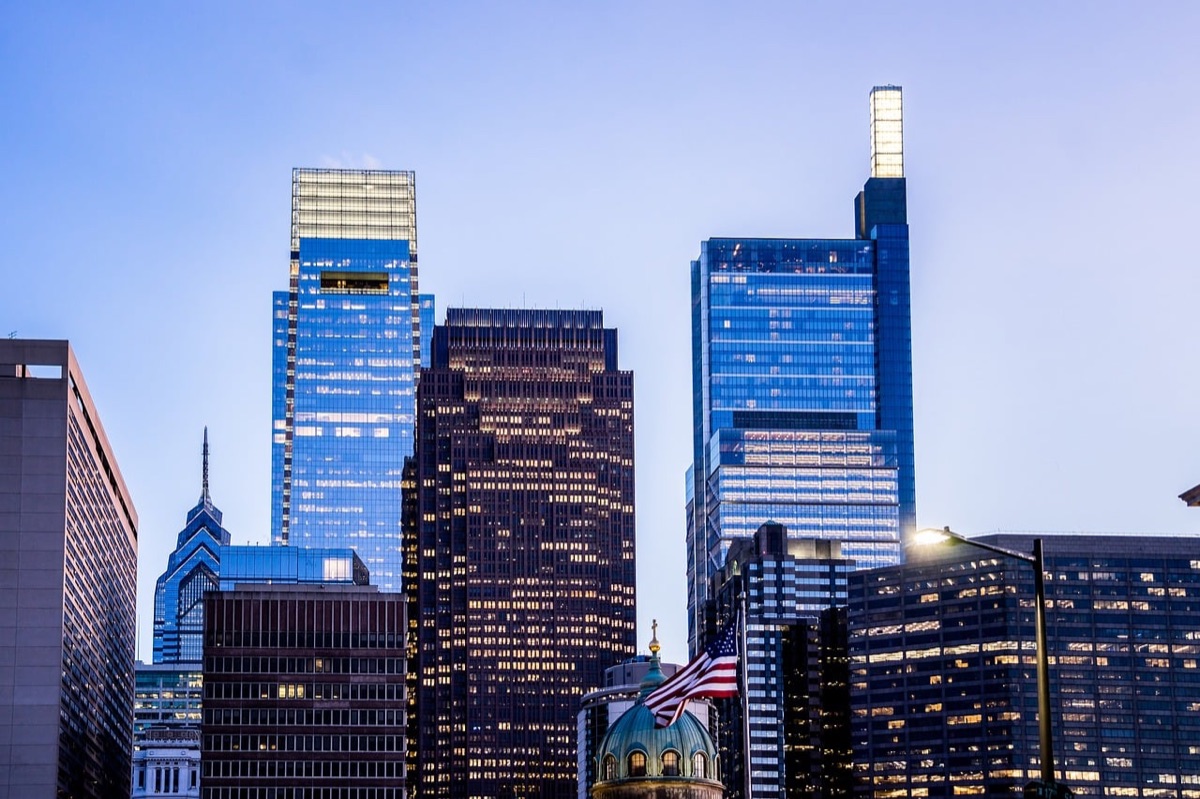
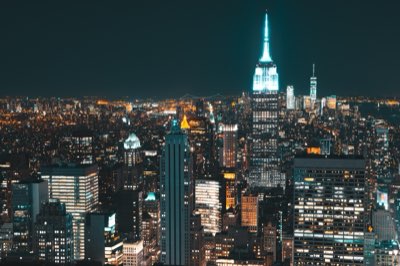
A late-night subway ride through Manhattan feels worlds away from a crowded street in Center City, yet the tension between these two hubs often feels closer than the distance on a map. For fans of the Mets and the Phillies, the game is never just a game; it is a proxy for regional supremacy.
According to the World Bank, the United States recorded international tourist arrivals of 45,037,000 in 2020.
The sheer scale of the New York metropolitan area provides a massive, diverse backdrop for the Mets, often serving as a lightning rod for the energy of a global hub.
In contrast, Philadelphia possesses a deep-rooted, concentrated regional identity that turns every stadium visit into a tribal gathering. This tension turns the NL East race into a microcosm of regional identity conflict, where every win feels like a victory for a way of life.
The competitive density of these two regions ensures that the rivalry is never hollow. While one city manages a sprawling, multi-faceted empire of influence, the other holds a tight, passionate grip on its local culture.
This constant friction ensures that when these two teams meet, the stakes feel inherently higher than a standard divisional matchup.
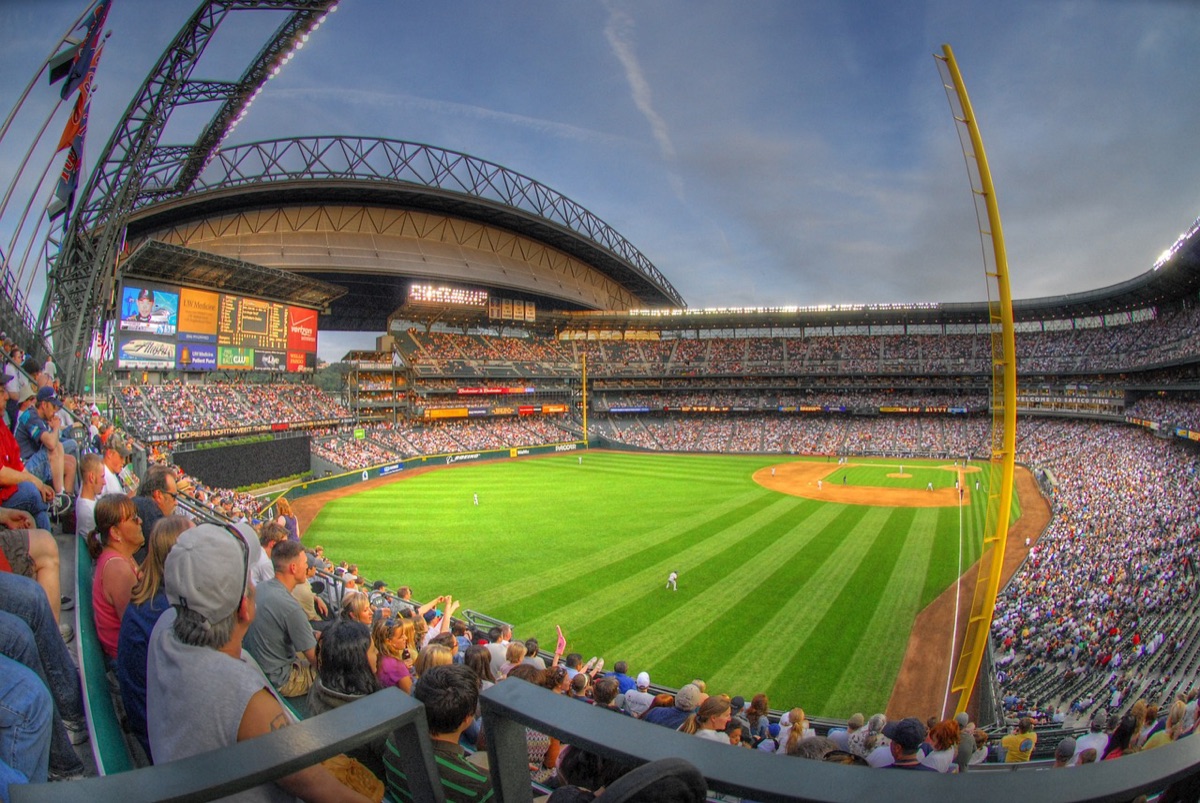
What were the most defining eras of rivalry? The sun sets over Citi Field, casting long shadows across the infield as fans recount stories of seasons past. Some years, the rivalry feels like a gentleman's disagreement, while other years, it feels like a total takeover.
The expansion of the league in 1993 led to shifts that changed how teams like the Phillies and Mets faced off.
History has seen periods of extreme dominance that left one side reeling. For example, in one particularly lopsided season, the Mets beat the Phillies 14 times while losing only 5 times.
Such stretches create a sense of psychological weight that lingers long after the final out of the season is recorded.
However, dominance is rarely permanent. In 1988, the Phillies—who finished in sixth place in the division with a 65–96 record—managed to beat the Mets 8 times in 18 games.
This specific instance showed that even a struggling team can find a way to haunt a playoff-bound opponent, resulting in the third-best record against the Mets of any team in the league that year. These shifts in momentum prevent the rivalry from becoming predictable.
When did the rivalry reach its boiling point? The smell of hot dogs and stale beer fills the air as a pitcher stares down a batter, the tension in the stadium thick enough to touch. It is in these moments that the rivalry transcends the box score.
The partnership between Cornell University and the Technion-Israel Institute of Technology aims to build a $2 billion graduate school.
Intensity often manifests in physical confrontations or heated verbal exchanges. In the heat of competition, players have stood up for one another in ways that fuel the fire.
For instance, Phillies outfielder Von Hayes once defended a teammate, stating that "Gooden better expect retaliation if he keeps hitting guys with 95 mph (153 km/h) fastballs." Such moments of high-velocity tension turn a regular-season game into a legendary grudge match.
The outcomes can be wildly polarized, swinging from total dominance to narrow escapes. One year might see a 14-5 sweep in a season series, while another year might see a much tighter struggle.
The psychological toll of playing a local rival during a deep playoff race adds a layer of exhaustion that non-divisional opponents rarely have to endure.
Beyond the Scoreboard: The City DNA vs. The Baseball DNA
Walking through the neon-lit streets of Midtown feels vastly different from the historic, brick-lined corners of Philadelphia's oldest neighborhoods. These environments shape the people, and the people shape the teams.
The NYC DNA is characterized by a high-pressure, relentless pace that mirrors the city's constant movement. This translates to a Mets identity that often feels like it is fighting against the weight of the world, striving to maintain its place in a crowded, diverse landscape.
It is a team built for the hustle of a global capital.
Philly DNA is built on deep-rooted passion and an enduring loyalty that stays steady even through the lean years. This creates a Phillies identity that is unapologetic and fiercely protective of its own.
While the Mets represent the hustle of the metropolis, the Phillies represent the heart of a city that refuses to be overlooked.
The Modern Era: Navigating the NL East Race
The modern era of baseball brings a faster pace and more frequent matchups, keeping the rivalry in a constant state of motion. The schedule ensures that the friction never truly cools down.
In the current landscape, the necessity of deep roster construction is paramount to survive the annual slugfest of the NL East. Because teams often play 17 or more times a year, the rivalry is a marathon of attrition.
One bad week can derail a season, but a strong roster can weather the storm of constant divisional battles.
The modern cadence of the rivalry requires a balance of talent and mental toughness. As the league evolves, the way these teams prepare for one another becomes a science of survival.
The rivalry remains a cornerstone of the division, proving that even in a changing league, old grudges never truly die. ### Comparison of Rivalry Dynamics
| Feature | New York Mets Identity | Philadelphia Phillies Identity |
|---|---|---|
| Cultural Driver | High-pressure, global metropolis | Deep-rooted, regional passion |
| Atmosphere | Diverse and relentless | Intense and loyal |
| Historical Trend | Periods of extreme dominance | Resilient through rebuilding |
| Game Feel | The hustle of the big city | The grit of the local community |
Quick Tips for Attending a Rivalry Game
- Check the Schedule Early: Because these teams play frequently, ticket prices can fluctuate wildly based on the specific series. 2. Arrive Before First Pitch: For high-intensity games, the atmosphere builds in the stands well before the game begins. 3. Wear Your Colors Proudly: In these matchups, showing your team loyalty is part of the local ritual. 4. Prepare for Tension: High-stakes games can lead to loud crowds and intense energy; bring earplugs if you prefer a calmer experience. ### Travel Tips for Baseball Fans
* Transportation: If you are heading to a game in NYC, utilize the subway to navigate the city efficiently. If you are in Philly, the SEPTA system is your best friend for getting to the stadium. * Budgeting: Keep in mind that game-day food and souvenir prices can be higher during marquee rivalry series. * Stay Central: For Mets games, look for accommodations in Queens or near transit hubs. For Phillies games, staying in Center City or near South Philadelphia offers the best access. #


Comments 0