MET vs MoMA: Choosing Your Perfect NYC Art Experience
"I could spend a lifetime in these halls, but I only have one afternoon."
If you find yourself standing on a street corner in Manhattan, staring at a map and paralyzed by the choice between the Metropolitan Museum of Art and the Museum of Modern Art, you aren't alone.
It is the ultimate New York dilemma: do you wander through five thousand years of human history or immerse yourself in the radical shifts of the 20th century?
* The MET is for: Lovers of sweeping history, ancient civilizations, and the grand evolution of global art from antiquity to the late 19th century. * MoMA is for: Fans of the modern era, experimental movements, design, and the bold, often provocative energy of contemporary thought. * Planning Tip: Match your museum to your specific curiosity—choose the MET for Egyptian gold and European masters, or MoMA for Van Gogh and pop art. * Logistics Check: Consider your energy levels; the MET is a marathon of scale, while MoMA is a concentrated sprint of style.

Which Museum Matches Your Artistic Focus?
The sun hits the limestone facade of the MET as you walk up the wide steps at 10:30 AM, feeling the sheer weight of the institution before you even step inside. You look up at the massive columns and realize you aren't just entering a building; you are entering a timeline of civilization.
The Metropolitan Museum of Art operates on an encyclopedic scale. It is designed to tell the story of humanity from its earliest organized societies to the turn of the 20th century.
When you walk through the Egyptian wing, you are stepping into a world of stone and ritual that feels entirely detached from the busy streets of Manhattan outside. The collection covers everything from Greek sculpture and Roman mosaics to medieval tapestries and Asian ceramics.
It is a place of breadth, where you can transition from the Temple of Dendur to a Dutch Master's oil painting within a single afternoon. In contrast, the Museum of Modern Art (MoMA) feels like a sharp, intentional pivot into the recent past.
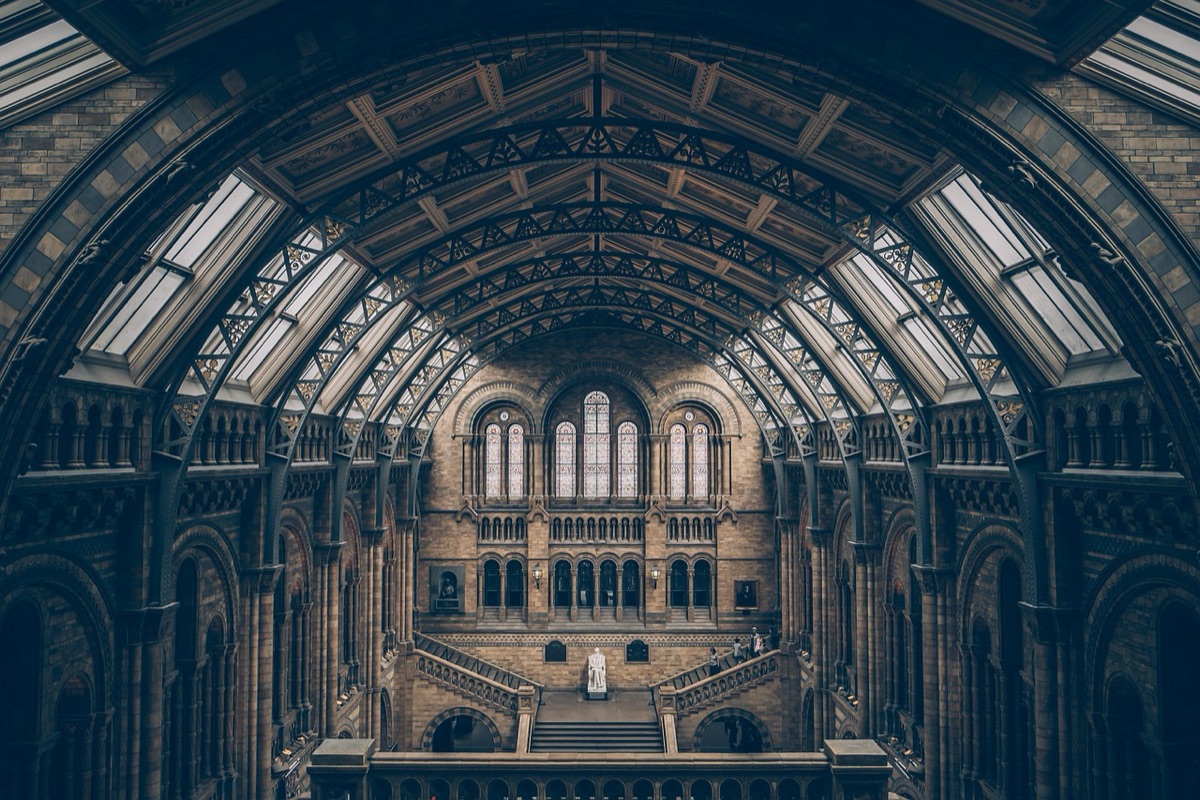
The atmosphere changes from the sprawling, cathedral-like halls of the MET to a sleek, curated environment that focuses on the "now" of the 20th century.
MoMA doesn't try to cover the entirety of human history; instead, it captures the moment when art broke away from tradition. You won't find ancient pottery here, but you will find the revolutionary brushstrokes of Matisse, the fragmented worlds of Picasso, and the bold colors of pop art.
If your heart beats for the deep roots of culture—the way a sculptor in ancient Greece shaped marble or how a Renaissance painter captured light—the MET is your sanctuary.
If you are drawn to the way artists reacted to the industrial age, photography, or the radical shifts in perspective that define our modern visual language, MoMA will speak your language. But choosing a vibe is only half the battle; you also have to survive the walk.
Beyond the Art: Comparing Visitor Experience & Logistics
You sit on a wooden bench in a quiet corner of a museum, checking your wallet and your watch at 2:15 PM, wondering if you have enough energy to see it all. The sheer size of these institutions can be overwhelming if you don't have a plan for your feet or your budget.
The way you experience these museums is vastly different due to their physical layouts. The MET is massive. It is spread across several floors and vast wings, meaning you will do a significant amount of walking.
It is a place of discovery where you might stumble upon a masterpiece in a quiet corner of the American Wing. Because of its size, you need to be strategic; you cannot see everything in one go without exhaustion setting in.
MoMA is more contained and logically structured around specific movements. While it is still a large museum, the flow is often more intuitive for those looking to follow a specific timeline of modernism. It feels more like a curated journey than a sprawling expedition.
The pace at MoMA tends to be faster, driven by the intensity of the works on display, whereas the MET encourages a slower, more contemplative stroll through various eras.
Regarding logistics, ticketing structures vary. While both often require timed entry or pre-booked tickets during busy seasons, the MET often feels like a more expensive endeavor due to the sheer volume of wayfinding and the potential for extra costs in the museum cafe or gift shops.
MoMA, located in Midtown, is highly accessible via various subway lines, making it a perfect centerpiece for a day spent in the heart of the city.
| Feature | The MET | MoMA |
|---|---|---|
| Primary Focus | Global History & Antiquities | Modern & Contemporary Art |
| Vibe | Grand, sweeping, historical | Sleek, energetic, cutting-edge |
| Physical Scale | Massive; requires heavy walking | Medium-Large; more concentrated |
| Best For | History buffs & classical art lovers | Design fans & modernists |
| Time Needed | 4+ hours for a decent survey | 2–3 hours for a focused visit |
The sheer scale of the MET can lead to a very specific kind of exhaustion. But how do you actually navigate these halls without feeling lost in the sheer volume of history?
Navigating the Visit: A Practical Visitor's Guide
You grab a coffee at a local cafe, pull out your notebook, and start sketching a route to ensure you don't miss the "big ones." A museum visit without a plan is often a recipe for missing the very thing you traveled to see.
To make the most of your time, you should follow a structured approach. I remember my first visit in 2025; I tried to see every single wing in one afternoon and ended up sitting on a floor in the Medieval sculpture hall by 3:00 PM because my legs gave out. To avoid that, follow this checklist:
- Pick a Single Era or Region: Do not try to see "the whole museum." Choose one specific focus, such as the European Paintings or the Asian Art wing, to keep your energy high.
- Target the "Crown Jewels" First: In the MET, head toward the Egyptian wing or the American Wing early in your visit to beat the densest crowds. In MoMA, head straight to the upper floors where the heavy-hitting masterpieces live.
- Schedule a Mid-Visit Break: Plan a 30-minute sit-down at a museum cafe halfway through your scheduled time.
- Use the Map to Find the Exit/Entry Points: Understand where you are in relation to the subway or the park so you can transition easily when you hit your limit.
Trying to "do it all" is a common mistake that leads to museum fatigue before you even reach the second floor. At MoMA, the strategy is different. Most visitors start with the heavy hitters on the upper floors—the masterpieces of late 19th and early 20th-century modernism.
If you want to see the most famous works, such as Van Gogh's *The Starry Night*, you should head to those specific galleries as soon as you arrive.
Before you go, do a little bit of "pre-reading." If you are heading to the MET, look up a few key pieces of Egyptian or Renaissance art so you know what to look for. If you are going to MoMA, familiarize yourself with the basics of Cubism or Surrealism.
Having a tiny bit of context makes the visual impact of the original works much stronger when you finally stand in front of them. However, there is a limit to how much you can absorb in a single burst of inspiration.
Beyond the Walls: Making Your NYC Day Seamless
The museum doors close behind you, and you step back out into the hum of the city, feeling both inspired and a little bit hungry. The transition from the quiet halls of culture to the loud energy of New York requires a bit of planning to keep the momentum going.
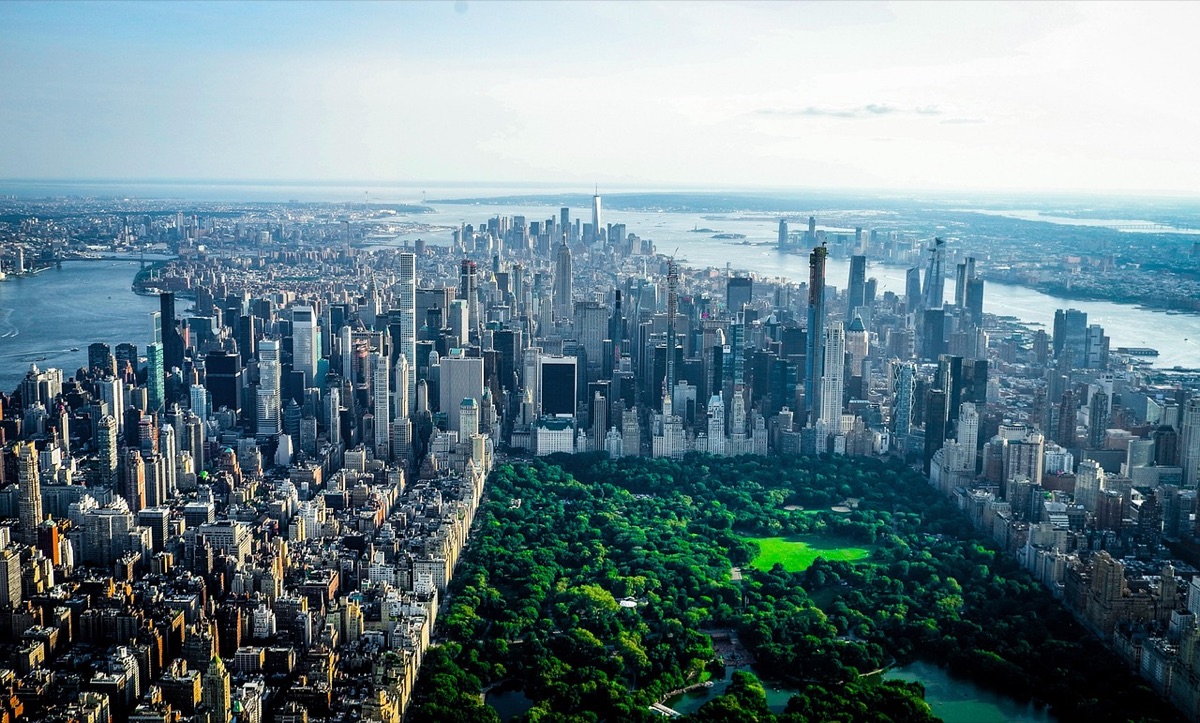
The setting of each museum dictates your post-visit vibe. If you spend your morning at the MET, you are already in the beautiful surroundings of the Upper East Side. The most natural way to decompress is to walk right out of the museum and into Central Park.
You can grab a hot dog from a vendor or sit on a bench near the Bethesda Terrace to process everything you just saw. It is a perfect way to transition from the intensity of history to the openness of nature.
If you choose MoMA, you are in the heart of Midtown. This is a much more urban, fast-paced environment. After you exit, you are steps away from the hustle of Fifth Avenue or the vibrant energy of Chelsea.
You might find yourself walking toward a trendy deli for a quick sandwich or heading to a rooftop bar to see the skyline. The transition from MoMA is often a transition from high art to high energy.
To manage your energy, do not try to do both in one day. It is too much sensory input. Pick one, spend a solid few hours there, and then let the city be your second museum.
If you have a multi-day trip, you can easily split them—one morning for the deep dive at the MET, and another afternoon for the modern pulse of MoMA.
It is important to note that these suggestions assume you have a baseline level of mobility. If you are traveling with small children or elderly family members, the sheer scale of the MET might be more of a hindrance than a help, making MoMA the more practical choice for a group.




Comments 0