Best eats in New York guide: Why try local bagels
"The city is a living, breathing entity that feeds the soul through its endless variety of tastes and traditions."
Exploring the culinary landscape of New York requires navigating a sea of flavors, from quick breakfast bites to high-end dining. This guide covers the essential experiences of local bagels, delis, steaks, and Michelin-starred meals to help you navigate the city's diverse food scene.
Key takeaways include understanding the scale of the city's population, recognizing the deep historical roots of its diverse communities, and preparing for a high-density urban environment.
How can I prepare for a Best eats in New York guide?

At dawn in the quiet subway station, I grip my notebook tightly as I prepares for how one eats through the city's endless streets.
Walking through the crowded streets of Manhattan requires a sense of direction and a hearty appetite. A traveler might stand on a street corner, checking a map while the smell of fresh dough wafts through the air.
The city is a massive, bustling environment where finding the right meal often depends on timing and location. With an estimated population of 8,586,038 as of 2026, distributed over 300.46 square miles, New York is the most densely populated major city in the United States.
This density means that food options are often concentrated in vibrant, walkable neighborhoods.
Navigating these crowded areas is part of the adventure of any food tour. You must be ready to move quickly between locations to catch the best morning selections or evening reservations.
- Research different neighborhoods to understand the local food scene.
- Make reservations in advance for popular dining spots.
- Keep a flexible schedule to allow for spontaneous culinary discoveries.
What makes a NYC bagel so special?
During the morning rush at the crowded deli, the steam hits my face as she eats a warm, chewy bagel.
Stepping into a local bakery, the warmth of the oven hits your face as you wait in line. You watch a baker pull a tray of golden, boiled rings from the heat.
The texture and flavor of a bagel are central to the local identity. Finding the perfect balance of a chewy crust and soft interior is the goal for every enthusiast. A NYC bagel experience involves understanding the importance of the boiling process and the variety of toppings available.
Because the city is so large, different neighborhoods often have their own preferred styles. I found that the morning rush is the best time to witness the true energy of a local bagel shop.
The combination of high-protein dough, boiling, and baking creates a distinctively chewy texture and golden crust that is difficult to replicate elsewhere.
Do I really need a deli tour guide?
The heavy glass doors of a deli swing open, releasing the scent of cured meats and rye bread. You see large blocks of pastrami being sliced thin behind a polished wooden counter.
A Delicatessen tour guide helps visitors navigate the massive menus typical of traditional New York eateries. These establishments often serve heavy, flavorful meals that have been staples for generations. You might find yourself choosing between massive sandwiches or classic soups.
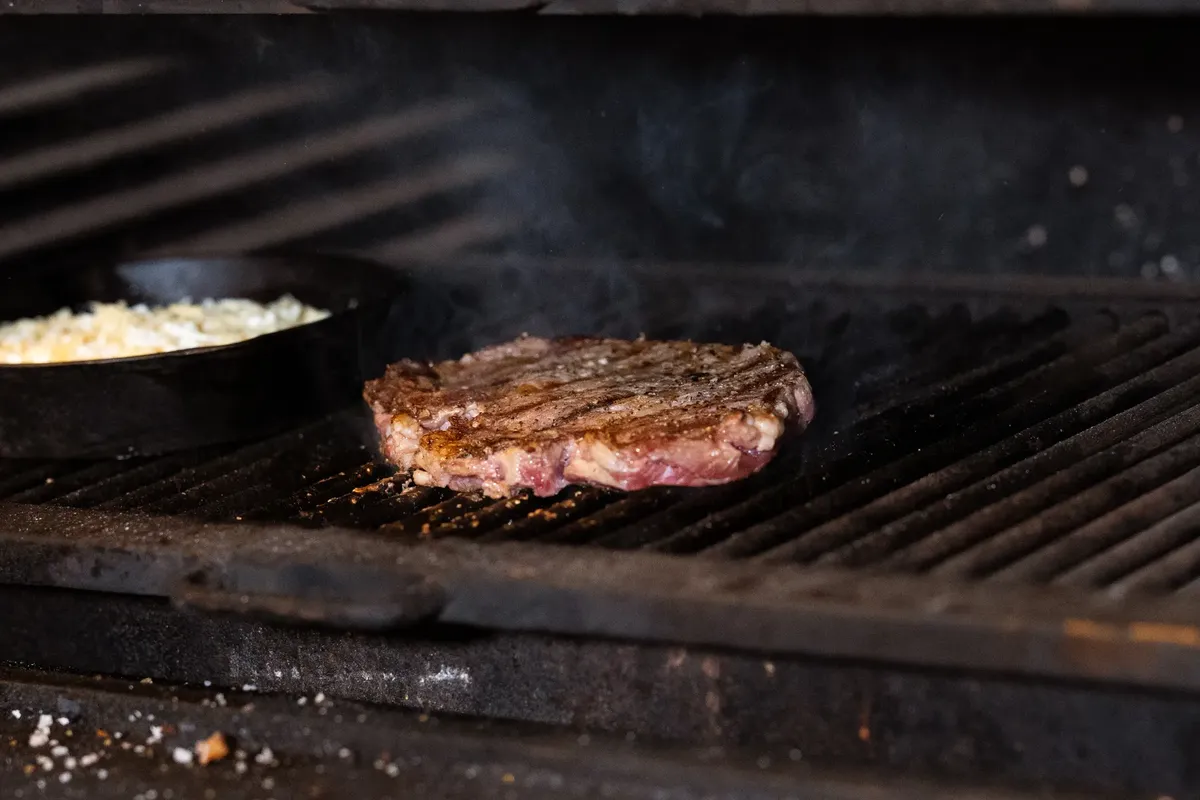
The history of these shops is often tied to the various immigrant groups that shaped the city. Exploring these menus is like taking a bite out of the city's history.
While not strictly required, a guide can help navigate crowded menus and identify the most authentic, historic establishments.
How do I choose a Steakhouse must try?
The dim lighting of a classic steakhouse creates an atmosphere of elegance and tradition. You hear the clinking of silverware against heavy ceramic plates and the low murmur of conversation.
Selecting a premier dining destination requires looking for quality cuts and expert preparation. A Steakhouse must try often focuses on the relationship between the meat, the sear, and the seasoning. Traditional techniques are often used to ensure a consistent, high-quality meal.
While many options exist, the best spots often maintain a sense of timelessness. Finding the right table is essential for a memorable evening.
Look for establishments that prioritize high-quality meat cuts, seasoned service, and a classic atmosphere.
What to expect from a Michelin dining guide?
A white tablecloth sits perfectly smooth under the soft glow of a designer lamp. The waiter approaches with silent grace, placing a delicate plate in front of you.
A Michelin dining guide provides a roadmap to the highest levels of culinary artistry. These restaurants focus on precision, innovation, and exceptional service. It is an experience that prioritizes the sensory journey of the diner.
The contrast between casual street food and these refined establishments is one of the city's greatest charms. It allows for a wide range of dining experiences within a single trip.
Expect a focus on culinary innovation, exceptional ingredient quality, and highly refined service standards.
Which dining traditions are most significant?
Looking at a menu, you see names of dishes that have been around for decades. You realize that these culinary traditions are deeply woven into the social fabric of the city.
The city's food culture is shaped by its diverse population and historical waves of immigration. For example, extensive immigration from the German provinces meant that Germans comprised another 25% of New York's population by 1860.
This history of movement has left a permanent mark on the local palate.
Every meal tells a story of the people who built and continue to inhabit this metropolis. Understanding these roots adds depth to every bite.
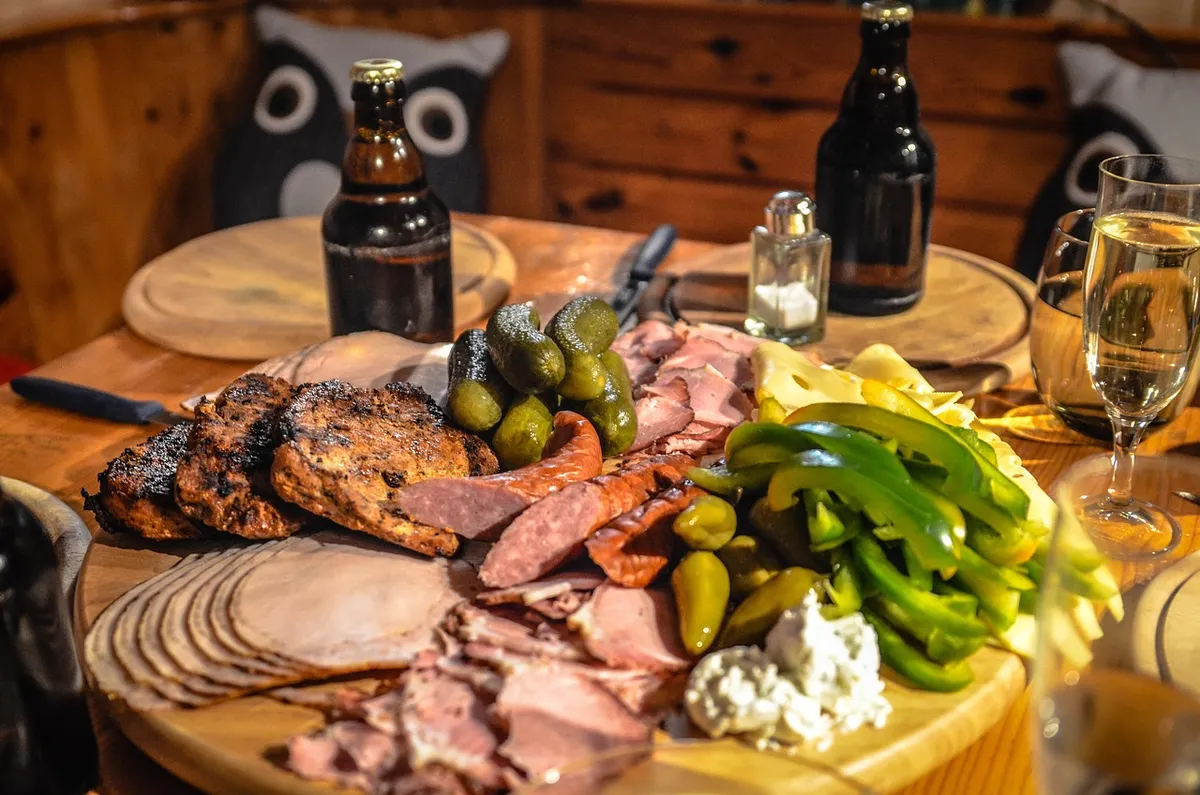
Iconic traditions like late-night pizza slices, Jewish deli staples, and upscale fine dining define the city's diverse culinary identity.
Wikipedia: New York City Based on the retained excerpt mentioning Cornell University: Bloomberg announced his choice of Cornell University and Technion-Israel Institute of Technology to build a $2 billion graduate school of applied sciences called Cornell Tech on Roosevelt Island intending to transform New York City into the world's premier technology capital.
The subject here is Best eats in New York guide.
This part also covers Top rated NYC spots.
This part also covers Where to eat in NY.
This part also covers Must visit food tour.
Top rated NYC spots
Related
How does the city's scale affect the dining experience?
The sheer scale of the city dictates the need for diverse dining options to sustain its inhabitants. The city, a living entity, supports its large population through its varied offerings. This high-density urban environment necessitates that food providers cater to every palate and schedule.
- The vast population requires a constant turnover of dining experiences. 2. The density concentrates excellent food options into specific, navigable areas. 3. The city's endurance relies on its ability to sustain this massive community through its culinary traditions.
What role does history play in the modern dining scene?
The traditions of the city are inextricably linked to the waves of people who have called it home. The city's food culture reflects the journey of its inhabitants through time.
The historical influx of different groups has left an imprint on the local palate. For instance, the presence of German immigrants contributed significantly to the city's overall character. This layering of backgrounds contributes to the richness of the current offerings available in the city.








Comments 0