Brooklyn brownstone food stay guide for local eats
"The charm of a Brooklyn brownstone lies not just in its stoop, but in the seamless transition from a quiet residential morning to a vibrant culinary evening."
This Brooklyn brownstone food stay guide helps travelers synchronize their dining experiences with their lodging choices in the borough's historic residential districts.
By choosing accommodations nestled among these iconic limestone and sandstone rows, visitors can walk to local eateries instead of relying on long transit routes.
This guide covers neighborhood selection, dining proximity, and the logistical connections between historic stays and local food scenes.
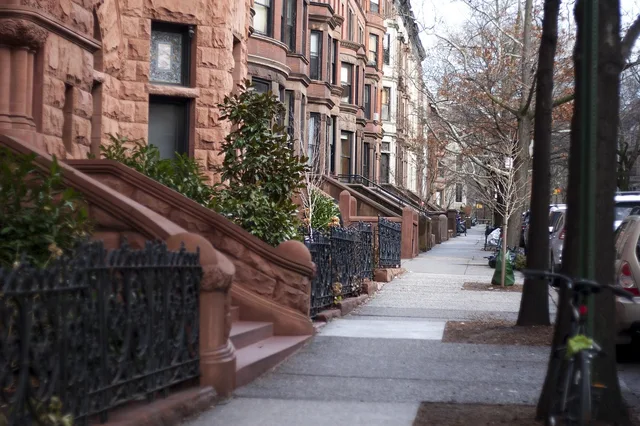
* Prioritize lodging near major brownstone corridors to minimize travel time. * Match the neighborhood's culinary vibe to your preferred dining style. * Use local walking paths to connect historic stays with hidden food gems. * Note that specific restaurant availability may vary by season.
How to choose a Brooklyn brownstone food stay guide location?
At dawn, you run your fingers along the rough limestone of a Brooklyn street to feel the history of the neighborhood.
Walking past the heavy oak doors of a quiet street, you notice how the architecture dictates the pace of the neighborhood. Finding the right spot requires matching your accommodation's proximity to specific dining hubs.
You want a place where the transition from your room to a dinner table is measured in footsteps rather than subway stops.
The best approach involves identifying a residential zone that sits between a quiet lodging area and a bustling commercial strip. Many travelers seek a Brooklyn brownstone food stay guide by exploring areas like Bedford-Stuyvesant or Park Slope.
These locations offer the quintessential residential feel while remaining within walking distance of diverse culinary options.
A Brooklyn stay and dining guide should emphasize the importance of "walkability scores" in these historic districts. Instead of choosing a hotel in a high-rise, look for boutique stays or converted residences that place you directly in the heart of the community.
This allows you to experience the local rhythm, moving from a morning coffee on a stoop to a late-night bistro.
To select the ideal neighborhood, consider these factors: 1. Proximity to specific culinary hubs like Williamsburg or Bedford-Stuyvesant. 2. The density of local artisanal markets and bakeries within walking distance. 3. The balance between quiet residential streets and vibrant dining corridors.
Where can I find a local Brooklyn food itinerary?
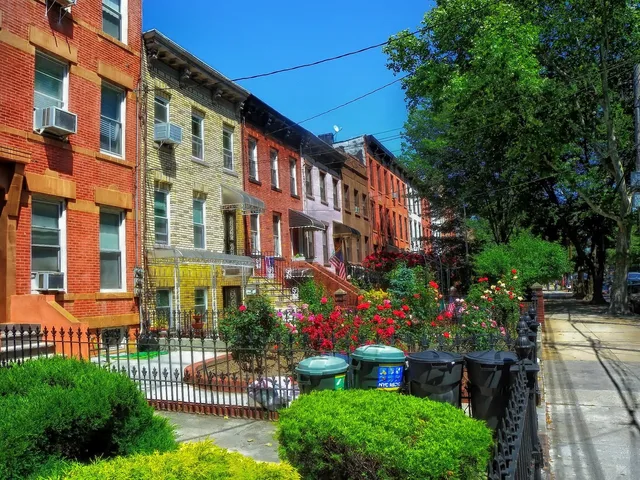
As evening falls, you stroll through a Brooklyn alleyway while the scent of toasted spices hits your nose.
Stepping into a small, sunlit cafe, the smell of roasted beans fills the air as locals gather on the sidewalk. Constructing a local Brooklyn food itinerary requires mapping out your stay relative to specific food clusters.
You should aim to anchor your lodging in a neighborhood that serves as a gateway to multiple dining styles.
To create a successful route, follow these steps: 1. Select a lodging area characterized by high concentrations of brownstone architecture to ensure a scenic environment. 2.
Identify three distinct dining categories—such as bakeries, casual cafes, and sit-down bistros—within a ten-minute walk of your stay. 3. Verify the walking paths between your accommodation and these spots to ensure they remain pedestrian-friendly. 4.
Perform a final check by reviewing local maps to ensure no major transit barriers exist between your bed and your plate.
I found that staying near the historic rows allowed me to treat every meal as a short stroll rather than a planned excursion. This method turns dining into a spontaneous part of the neighborhood experience.
You can discover curated routes by browsing neighborhood culinary blogs, asking local shop owners for their favorite spots, or following community-driven food maps online.
What are the benefits of a Brownstone food lodging setup?
Sitting on a wide stone step as the sun sets, you watch the neighborhood transition from quiet residential life to evening activity. Choosing Brownstone local food lodging provides a sense of immersion that large hotels cannot replicate.
It places the traveler within the actual fabric of the community's daily life.
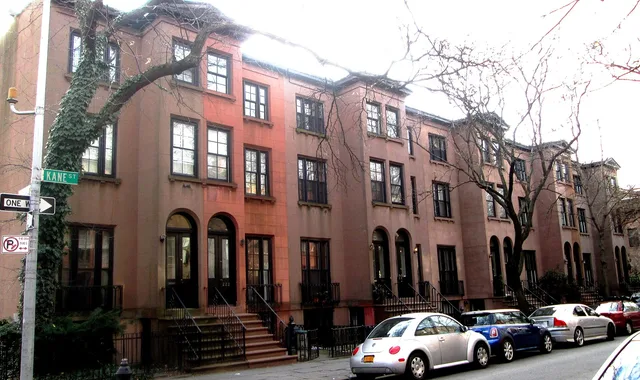
The primary advantage is the intimacy of the experience. When your lodging is integrated into a brownstone block, your dining options often consist of long-standing local institutions rather than generic tourist traps. This proximity fosters a deeper connection to the borough's unique identity.
| Feature | Brownstone Lodging | Standard Hotel |
|---|---|---|
| Proximity to Local Eats | High | Variable |
| Neighborhood Feel | Authentic | Commercial |
Using a Brooklyn food and stay route helps maximize the time spent enjoying the atmosphere rather than commuting. This efficiency is the hallmark of a well-planned Brooklyn trip.
Staying in a brownstone places you in the heart of residential culture, offering immediate access to authentic neighborhood eateries and a more intimate connection to the local food scene than a standard hotel.
Can I plan a Brooklyn brownstone food tour?
Navigating a cobblestone street, you follow the scent of fresh bread toward a corner bakery. A Brooklyn brownstone food tour is most effective when it is centered around a specific residential cluster. This prevents the exhaustion that comes from jumping between disconnected neighborhoods.
Instead of trying to see the whole city, focus on a single district's culinary landscape. This allows you to discover the nuances of different blocks, from the quick bites near transit hubs to the slow-paced dining in the deeper residential pockets.
A well-structured plan treats the neighborhood as a single, edible ecosystem.
The best way to execute this is to treat your lodging as a home base. You can depart for a light brunch, return to your brownstone residence to rest, and then head back out for a sophisticated dinner. This cyclical movement is the most relaxing way to explore the area.
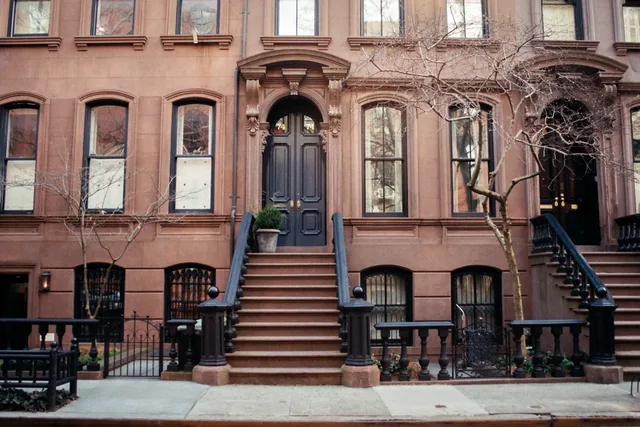
Yes, you can design a custom tour by mapping out a sequence of stops: first, visit a local bakery for breakfast, then move to a neighborhood cafe for lunch, and conclude with a dinner at a highly-rated local bistro.
What are the limits of this travel approach?
Watching the rain fall on the stone facades, you realize that some areas are strictly residential. While the brownstone aesthetic is beautiful, it is important to recognize that these neighborhoods are living communities.
One limitation is that some of the most iconic brownstone streets are strictly residential and may lack immediate commercial density. In these specific zones, you may need to walk slightly further to reach the nearest dining option.
This approach may be limited by the specific operating hours of small local businesses and the fact that some highly sought-after culinary gems require advanced reservations.
This guide provides the framework for navigating the intersection of historic Brooklyn living and local gastronomy. By focusing on proximity and neighborhood character, you can transform a standard trip into an immersive culinary journey through the borough's most iconic streets.
Wikipedia: Brooklyn Street Circuit (full) Based on the retained excerpt mentioning Fédération Internationale de l'Automobile (FIA) officials: In September 2016, New York City and Fédération Internationale de l'Automobile (FIA) officials announced the establishment of a 2017 event in the city for Formula E, with the Red Hook location selected over other potential sites including Central Park.





Comments 0