Planning Your NYC Visit: CityPass Value After 3 Days
"Is this pass a shortcut to savings or just a way to force a rigid schedule on a city that thrives on spontaneity?"
If you are staring at your browser tab with a dozen open tabs of museum tickets and observation deck prices, you aren't alone. The decision to buy a CityPass usually comes down to one thing: your specific itinerary.
* Check your list: If your "must-sees" are all on the pass, buy it. If you prefer walking through Central Park or wandering the High Line, skip it. * Do the math: Compare the pass price against the sum of individual tickets for your planned attractions. * Consider your pace: Passes are great for high-density sightseeing but can feel rushed if you prefer lingering in galleries.

Is CityPass right for my NYC trip? The sun hits the glass of a Midtown skyscraper, reflecting a blinding glare onto the sidewalk as a tourist checks their phone, looking frustrated by a list of prices. They are trying to decide if a pre-paid pass is a golden ticket or a way to waste money on things they don't actually care about.
The "Why Buy?" test isn't about whether the pass is a good deal in a vacuum; it is about whether it fits your specific travel DNA. If you are a first-timer hitting the heavy hitters like the Empire State Building or the American Museum of Natural History, the pass is designed for you.
It bundles the most expensive, high-demand attractions into a single price point.
However, if your version of a perfect New York day involves a three-hour brunch in the West Village followed by a slow stroll through a local bookstore, a pass might actually be a burden. You might find yourself rushing to "get your money's worth" at a museum you aren't even that interested in.
The ideal visitor profile for a pass is the "Efficiency Seeker"—someone who wants to see the iconic landmarks within a tight timeframe.
For the "Slow Traveler" who wants to wander through the Chelsea galleries or spend an entire afternoon in a Brooklyn park, individual tickets or even no paid attractions at all might be the better way to go.
But there is a deeper level of math involved in making this choice worthwhile.

Which attractions will make the pass worth it? A group of travelers stands in a long queue outside a museum, checking their watches as the midday heat rises from the pavement. They have a pass in hand, but the line for the museum is so long that they are debating whether to head to a different attraction instead.
When you look at the coverage, you have to distinguish between "The Big Hits" and "The Deep Dives." Most passes focus on the heavy hitters—the massive landmarks that command high entry fees. These are often the attractions that serve as the anchors of a trip.
| Attraction Type | Pass Value | Individual Booking Strategy |
|---|---|---|
| Major Observatories | High: Often the most expensive single tickets. | Better for specific sunset time slots. |
| Large Museums | High: Covers the cost of premium entry. | Better if you want to stay 4+ hours. |
| Niche/Small Galleries | Low: Often not included or lower cost. | Better to pay as you go. |
| Walking Tours/Parks | N/A: Usually not covered by passes. | Always free or low cost. |
The real value lies in the "Landmark Access" category. If you plan on visiting two or three major observation decks or large-scale museums, the pass often pays for itself immediately.
For example, comparing the cost of a premium observation deck ticket to a museum entry, the pass acts as a stabilizer for your budget.
However, you must plan your sequence carefully. If you use a pass to visit a museum, you are often committed to a certain level of engagement. If you are a "Must-See" hunter, you will likely hit the big landmarks.
If you are a "Nice-to-See" traveler, you might find that the pass covers things you would have skipped anyway, resulting in a net loss of value.
But what happens once you actually step off the subway and into the streets?
Beyond Attractions: Maximizing Your NYC Experience
The smell of roasted nuts from a street vendor wafts through the air as a traveler navigates a crowded subway platform, clutching a printed itinerary. They are trying to figure out how to transition from a museum visit to a Broadway show without losing their mind—or their budget.
A common mistake is thinking that a city pass is your only way to experience New York. It is not. In fact, the best way to use a pass is to pair it with non-pass activities.
For example, you might use a pass to visit a major museum in the morning, then spend your afternoon exploring a neighborhood like SoHo or the Lower East Side on foot.
Regarding Broadway, a pass usually won't cover a show. If you are looking for theater, you should look into "Rush" tickets or the TKTS booth in Times Square rather than relying on an attraction pass. The pass is for the sights; the theater is a separate budget entirely.
Logistically, don't forget that your transit is a separate cost. A pass for attractions does not cover your subway fare. You will still need a way to get around, such as using OMNY or a MetroCard. When planning your day, group your pass-based attractions by neighborhood to minimize travel time.
If you use a pass to see a museum in the Upper East Side, try to find another pass-eligible attraction nearby to make the trip efficient.
However, the math changes depending on how long you are actually staying in the city.
Scenario Planning: 3-Day vs. 7-Day Visits
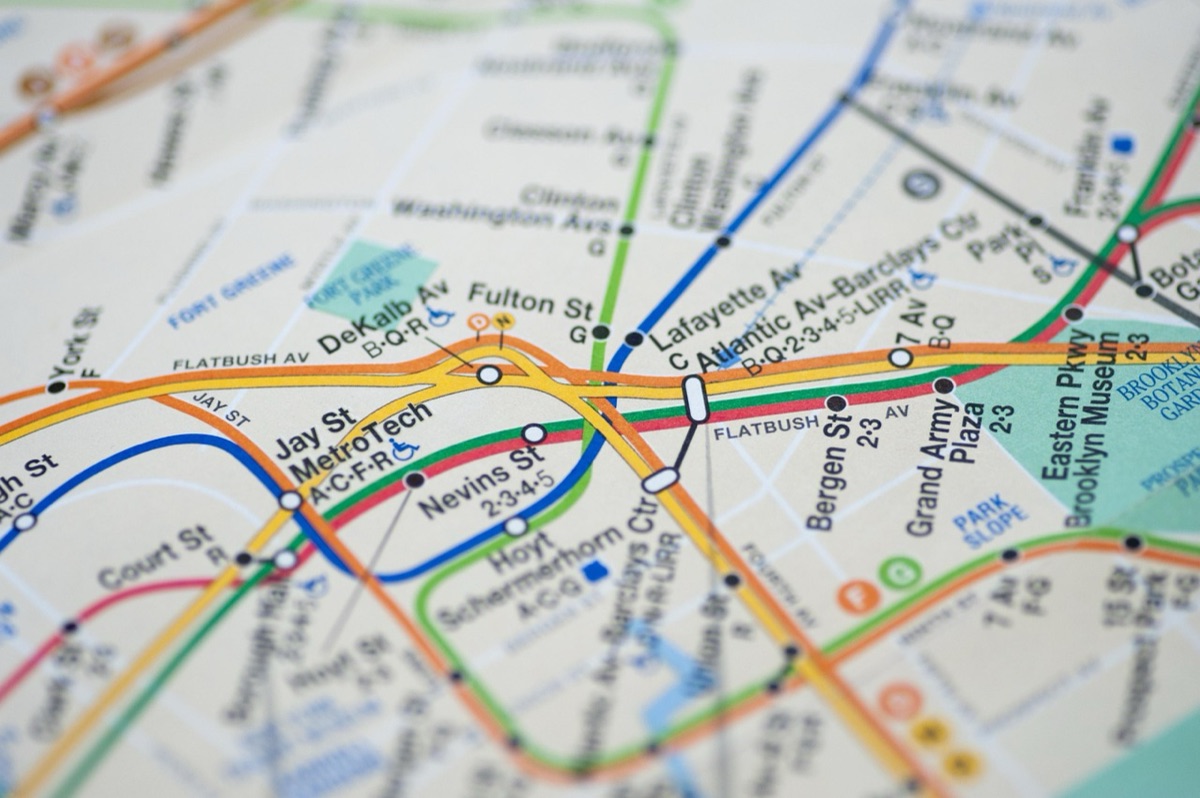
A traveler sits in a small coffee shop in Brooklyn, a map spread out on the table, looking at the various routes between Manhattan and the surrounding boroughs. They are trying to decide if their three-day whirlwind trip justifies the upfront cost of a pass.
The length of your stay changes the math entirely.
The Short Trip (3-Day): In a three-day window, you are likely hitting the "greatest hits." If you have three high-cost attractions planned, the pass is almost certainly worth it. However, you must be careful not to overschedule.
If you try to do too much, you will spend your entire trip in transit or in lines.
The Medium Trip (5-Day): A five-day trip offers more breathing room. You can use the pass for the "heavy lifting" attractions in the first few days and then transition to a more relaxed, local pace. This is the sweet spot for balancing cost-savings with actual enjoyment.
The Marathon Trip (7-Day+): For a week or longer, the pass becomes a tool for "budget anchoring." You can use it to knock out the expensive sights early on, leaving the rest of your trip for cheaper, more spontaneous activities like walking the Brooklyn Bridge, visiting local markets, or exploring various parks.
The "Flexibility Factor" is the hidden cost of a pass. While it saves money, it can sometimes limit your ability to change your mind. If you decide on a whim that you'd rather spend a day in a park than in a museum, you might feel like you are "losing" money.
Always build in buffer days where you have no planned attractions.
So, how do you actually make the final call before you hit the airport?
Final Decision Checklist
When I was planning my own trip through Manhattan last year, I realized that without a clear plan, I was just guessing at my budget. I found that writing down the exact prices of my top choices was the only way to know if a pass was actually a deal.
To avoid that confusion, follow this exact procedure to determine your value:
- List your top 3 non-negotiable attractions. If they are on the pass, you are halfway there.
- Check the total cost of those 3 attractions. If that total is significantly higher than the pass price, buy it.
- Assess your energy levels. If you hate museums or long lines, skip the pass and enjoy the city's free wonders.





Comments 0