Manhattan 19th century architecture guide for SoHo
Exploring the architectural legacy of Manhattan requires an understanding of how historical structures survived the city's rapid expansion. This guide focuses on identifying significant 19th-century landmarks, such as the SoHo–Cast Iron Historic District, and understanding the economic shifts that shaped the urban landscape. You will learn about the specific boundaries of historic zones, the impact of early transportation on building development, and the limitations of this survey regarding modern skyscrapers.
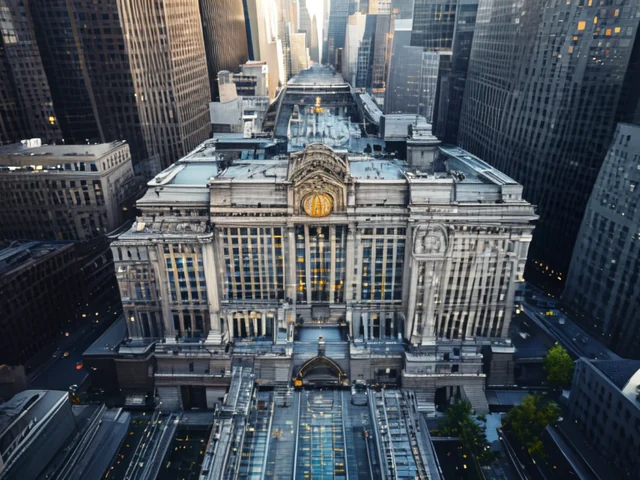
* Identify the boundaries of the SoHo–Cast Iron Historic District. * Understand how the 1825 Erie Canal influenced Manhattan's growth. * Recognize the distinction between 19th-century heritage and modern towers.
Where can I find 19th-century Manhattan architecture?
At sunset, I run my fingers along the cold cast iron in Manhattan, feeling the intricate textures of the old walls. Walking through the cobblestone streets of SoHo, the sunlight hits the ornate facades of buildings that define an era. You can find significant Manhattan 19th century architecture by visiting the SoHo–Cast Iron Historic District.
This area serves as a primary example of the period's unique construction styles and preservation efforts.
The district has a specific footprint that evolved over time. Originally, the area ended in the west at the eastern side of West Broadway and to the east at the western side of Crosby Street.
However, the SoHo–Cast Iron Historic District was expanded in 2010 to cover most of West Broadway and extend east to Lafayette and Centre Streets.
Exploring these Manhattan landmarks 1800s sites allows visitors to see how cast iron was utilized to create intricate, durable streetscapes. These structures represent a pivotal moment in urban design before the era of steel-frame skyscrapers.
How did economic shifts shape 19th century Manhattan buildings?
During the afternoon, I stand by the docks in Manhattan and feel the salt spray on my skin while watching the harbor.
Standing near the bustling docks, one can imagine the massive influx of goods that once defined this island. The development of 19th century Manhattan buildings was heavily influenced by the city's rising status as a global trade hub.
Economic shifts provided the capital necessary for large-scale construction and urban density.
A major catalyst for this growth was the opening of the Erie Canal in 1825. This waterway cut transportation costs by 90% compared to road transport. It successfully connected the Atlantic port to the vast agricultural markets of the Midwestern United States and Canada.
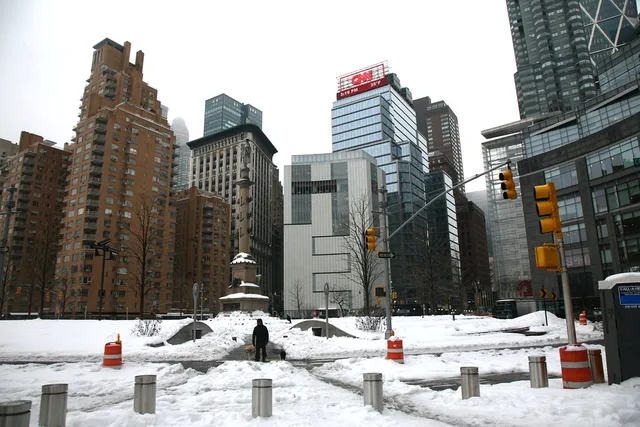
This connectivity transformed the island's physical landscape. As trade surged, the demand for commercial and residential space increased, leading to the dense urban fabric seen today. This economic foundation allowed the city to transition from a small port into a massive metropolitan center.
How do I identify historic 1800s Manhattan landmarks?
Tracing the history of a neighborhood involves careful observation of specific architectural details. You might walk along a street, running your hand over a cold, decorative metal pillar, feeling the texture of history. To identify these sites effectively, follow these steps:
- Locate the official boundaries of designated historic districts, such as the expanded SoHo area. 2. Observe the use of materials like cast iron, which was characteristic of the mid-to-late 19th century. 3. Compare the scale of these structures to the surrounding modern high-rises to understand the era's limits.
After completing these steps, perform a final check by verifying the building's location against local historic registry maps. I found that checking the specific street names, like West Broadway, helps confirm if a building falls within a protected zone.
How does Manhattan 19th century sites compare to modern towers?
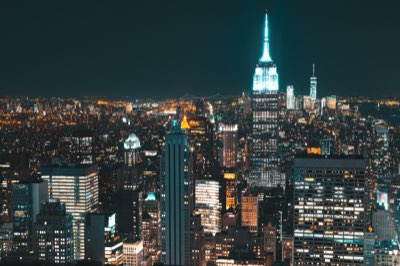
Looking up from a narrow street, the contrast between old and new is startling. The low-rise, ornate facades of the 1800s sit in the shadow of massive glass structures. This comparison highlights the evolution of engineering and the changing scale of the city.
| Feature | 19th Century Landmarks | Modern Skyscrapers |
|---|---|---|
| Primary Material | Cast Iron | Steel and Glass |
| Typical Height | Low to Mid-rise | High-rise (e.g., 1,776 ft) |
In 2014, the new One World Trade Center, at 1,776 feet (541 m) measured to the top of its spire, became the tallest building in the Western Hemisphere.
This evolution shows how Manhattan has moved from cast-iron commerce to vertical dominance.
What are the limitations of studying Manhattan 19th century architecture?
Walking through a crowded intersection, the sheer density of the city can make it difficult to focus on a single era. The primary limitation when researching this topic is the physical overlap of different historical periods.
Modern development often obscures or replaces the original 19th-century context.
Furthermore, the study of 19th-century architecture is limited to surviving structures.
Because Manhattan is one of the most densely populated locations in the world, with a 2020 census population of 1,694,250 living in a land area of 22.66 square miles, much of the original fabric has been lost to redevelopment.
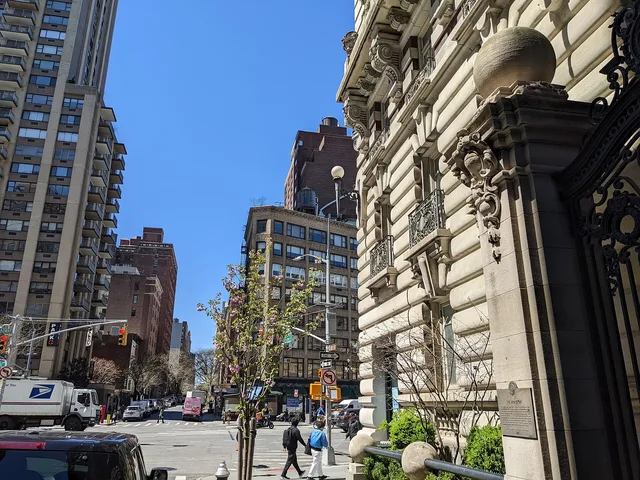
This study focuses on extant landmarks and does not account for buildings destroyed in previous eras.
Wikipedia: Manhattan (full) Based on the retained excerpt mentioning USDA: Manhattan lies in USDA plant hardiness zone 7b (5 to 10 °F/-15 to -12.2 °C).
- Where can I find Manhattan 19th century architecture?
- How did economic shifts shape 19th century Manhattan buildings?
- What are the steps to identifying historic Manhattan 1800s landmarks?
The subject here is Manhattan 19th century architecture.
The same subject is also called Historic Manhattan architecture.
This part also covers Old Manhattan architecture tour.
This part also covers Manhattan 1800s landmark guide.
Related
- NYC Jazz Like A Local: Why Small Clubs Hold The Heartbeat
- How did historical immigration shape the city?
What should you watch for when exploring these districts?
When exploring these historic zones, you must exercise caution regarding the physical boundaries. The SoHo–Cast Iron Historic District has specific limits that changed after the 2010 expansion.
Comparing the materials used in these sites is also a necessary condition for identification. You can distinguish 19th-century landmarks from modern towers by observing the presence of cast iron instead of the steel and glass found in skyscrapers.
This comparison helps clarify the era of the building's construction.
Finally, be aware of the limitations regarding the density of the city. Because Manhattan is so densely populated, many original 19th-century buildings have been lost to redevelopment. You should focus your search on the extant landmarks that survived the city's rapid expansion and modern growth.




Comments 0