What is MoMA's physical history? MoMA modern art guide
"The Museum of Modern Art stands as a pillar of cultural evolution, constantly expanding its physical and intellectual reach to redefine the boundaries of contemporary expression."
This MoMA modern art guide is designed for travelers seeking to navigate the vast collections and structural history of one of New York's most significant institutions.
You should focus on the expanded gallery spaces and the architectural shifts that have shaped the museum's footprint, while keeping in mind that the collection's depth requires significant time to appreciate fully.
This guide covers historical expansions, recent architectural prizes, and structural changes.

Key takeaways: 1. Understanding the massive scale of gallery expansions. * * Noting the evolution of the museum's physical boundaries.
How has the museum expanded its space?
Walking through the high-ceilinged corridors, you realize the sheer scale of the galleries surrounding you. The museum underwent a massive transformation to accommodate more art and more visitors.
According to the American Folk Art Museum, MoMA acquired an adjacent building that housed the American Folk Art Museum on West 53rd Street in 2011.
According to Wikipedia, in 1983, the museum more than doubled its gallery space and increased the curatorial department by 30%. This expansion took place alongside the construction of the 56-story Museum Tower adjacent to the museum.
This period also saw the addition of an auditorium, two restaurants, and a bookstore to support the growing institution.
The expansion changed the way visitors move through the building. I remember feeling the shift in atmosphere when moving from the older sections to the more expansive, modern wings. The increased capacity allows for a much deeper dive into various movements.
What is MoMA's physical history? MoMA modern art guide
Standing on the busy street at sunset, you feel the vibration of passing cars as you contemplate the changing footprint of the moma walls. Standing on West 53rd Street, you can see how the museum has absorbed its surroundings over the decades. The footprint of the institution has grown through strategic acquisitions and structural changes.
In 2011, MoMA acquired an adjacent building that housed the American Folk Art Museum on West 53rd Street. This acquisition was a pivotal moment in the museum's urban presence.
However, the landscape changed again when, in January 2014, MoMA decided to raze the American Folk Art Museum, which was situated between the existing structure and the proposed tower at 53 West 53rd Street.
These shifts illustrate the tension between preserving existing urban structures and creating space for monumental modern works. The museum's growth is a physical manifestation of its rising cultural importance.
What are the must-see artworks and surroundings at MoMA?
The light hits the polished floors as you prepare to enter a new wing of the collection. Finding the right path through the exhibits is essential for a meaningful New York modern art tour.
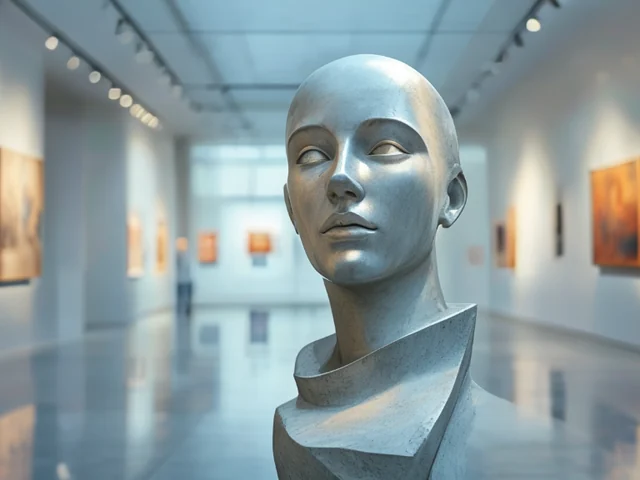
While this guide focuses on the museum's structure, the environment is designed to complement the MoMA must see artworks found within. The layout reflects the museum's ability to host diverse collections within a cohesive architectural framework.
Visitors often find that the transition between galleries provides a necessary mental pause between different eras of art.
The museum serves as a central hub for those interested in the evolution of visual culture. You can spend hours simply observing how the light interacts with the different textures of the gallery walls.
Understanding the MoMA art history guide through architecture
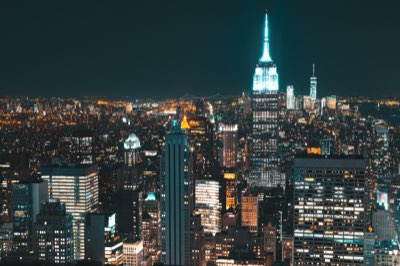
Looking up at the skyline, the architectural influence of the museum becomes undeniable. The institution does not just house art; it actively participates in the architectural discourse of the city.
In conjunction with the construction of the 56-story Museum Tower adjoining the museum, the museum more than doubled its gallery space, increased the curatorial department by 30%, and added an auditorium, two restaurants, and a bookstore in 1983, according to Museum Tower.
The museum's commitment to design is evident in its recent collaborations. In 2026, MoMA and the Ambasz Institute began granting the Ambasz-MoMA Annual Prize for architecture. This initiative highlights the intersection of fine art and structural innovation.
The presence of the Museum Tower remains a dominant feature of the local landscape. It serves as a reminder of the 1983 expansion that redefined the museum's capacity. This architectural legacy continues to influence how the institution presents its collections to the world.
Navigating the MoMA essential masterpieces and modern art flow at MoMA
Moving through the crowds, you sense the energy of a global destination. The flow of visitors is part of the living history of the museum.
The MoMA digital art trends and the broader modern art flow at MoMA are shaped by how people interact with the space. Understanding the layout helps you manage the density of crowds, especially during peak tourist seasons.
The experience of the museum is as much about the space as it is about the individual pieces. The way the galleries are organized allows for a structured yet fluid exploration of history.
How to plan your visit
Stepping into the museum lobby, you grab a map and check the current exhibition schedule. Planning your route is the best way to ensure you see the most significant areas without feeling overwhelmed.
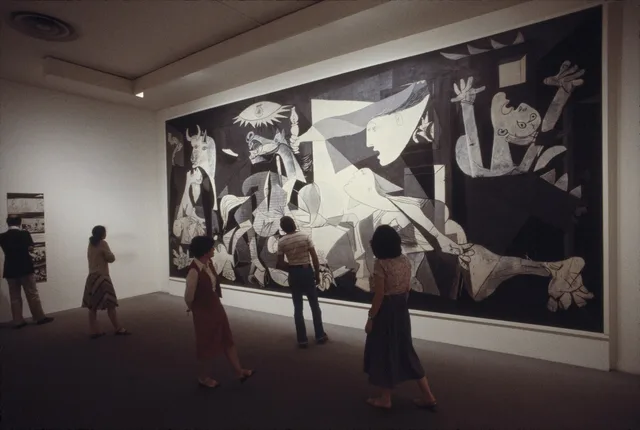
- Identify the major wings you wish to visit based on your interest in specific eras. 2. Locate the amenities, such as the bookstore or the two restaurants added during the 1983 expansion. 3. Check the schedule for any special lectures in the auditorium.
I found that checking the location of the restaurants first helped me plan a mid-day break. After completing these steps, take a final look at the museum map to ensure you haven't missed any major sections.
A limitation of this guide is that it focuses on the museum's physical and structural history rather than providing a detailed critique of specific individual paintings.
- How has the museum expanded its space?
- What is MoMA's physical history?
- What are the must-see artworks and surroundings at MoMA?
The subject here is MoMA modern art guide.
The same subject is also called Best art in MoMA NYC.
Related


Comments 0