Metropolitan Museum Guide for the massive Met collection
"The Metropolitan Museum of Art, colloquially referred to as the Met, is an encyclopedic art museum in New York City."
To avoid fatigue, you should follow a Metropolitan Museum Guide by focusing on specific wings, prioritizing early morning visits to manage crowds, and preparing for a massive scale that requires a strategic walking plan.
One limitation is that the museum's encyclopedic scope means a single visit cannot cover its entire historical breadth.
* Understand the encyclopedic nature of the Met. * Plan your route through diverse global collections. * Manage your time within the massive New York City institution.
What does it feel like to step into the Great Hall?
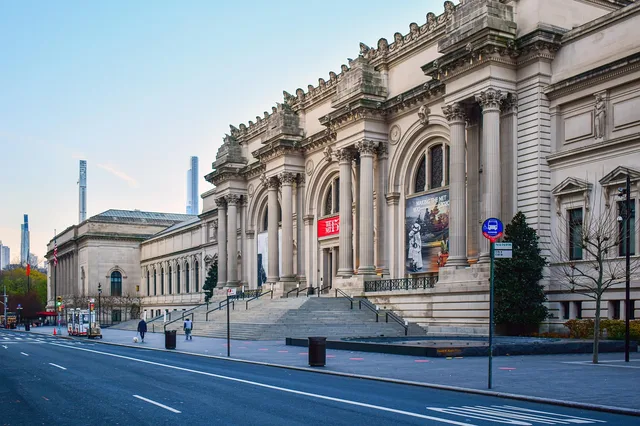
As the heavy doors swing open at dawn, a sudden chill hits my skin while I stare up at the vast metropolitan ceiling. This Metropolitan Museum Guide serves as a roadmap for those overwhelmed by the institution's sheer scale.
According to Wikipedia, the Metropolitan Museum of Art, colloquially referred to as the Met, is an encyclopedic art museum in New York City. This means the collection spans nearly all periods and geographies, requiring a focused approach rather than a random wander.
Because the museum is so vast, your experience will depend entirely on how you segment the galleries.
The Met NYC tour is best approached by picking a theme, such as ancient civilizations or European paintings. Using a Metropolitan Art Guide mindset, you can decide whether to spend three hours in the Egyptian wing or an entire day in the American wing.
Without a plan, the sheer size of the building can lead to physical exhaustion.
How can I navigate the Met Museum collection?
I trace my finger along a cold marble pedestal in the metropolitan gallery while the morning light shifts across the floor.
Tracing a finger along the edge of a marble pedestal, a visitor moves from the dim lighting of the Egyptian galleries into the bright, airy halls of European Impressionism. The transition between eras is sudden and striking.
For some helpful NYC Met Museum tips, keep in mind that navigating the collection requires understanding how the museum is organized by culture, time, and medium.
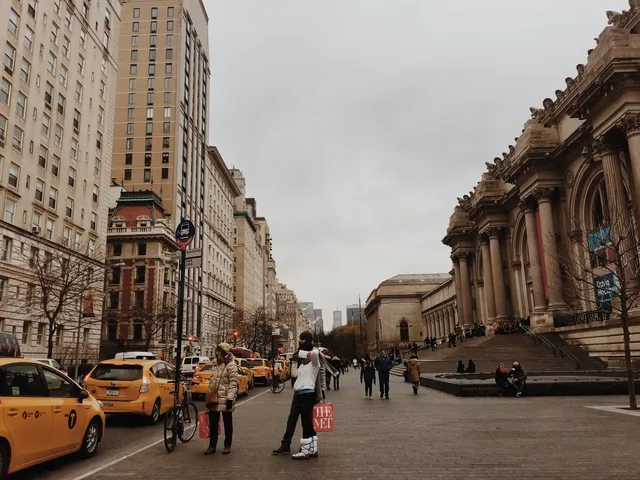
The museum functions as a global archive, housing objects that represent the pinnacle of human craftsmanship from across the world. To make the most of your time, you must decide if you want to follow a chronological path or a thematic one.
I found that choosing one specific era, like the Renaissance, prevented the feeling of being lost in a sea of artifacts.
A Metropolitan Art Guide helps visitors realize that the collection is not a single unit but a series of interconnected worlds. You might move from the heavy stone of the Temple of Dendur to the delicate canvases of the 19th century.
Each transition requires a mental shift in how you perceive art and history.
A Metropolitan Museum Guide for Planning Your Visit
Checking a paper map against the digital kiosks, a traveler stands near the entrance, trying to reconcile the physical layout with their desired itinerary. The scale of the building is difficult to grasp until you are standing within its walls.
Developing a solid Met Museum plan is the difference between seeing five masterpieces and seeing five hundred things you barely remember.
To ensure a productive visit, follow these steps: 1. Select two or three specific departments to visit, such as Arms and Armor or Greek and Roman Art. 2. Check the museum's daily schedule for special exhibitions that may require separate timed entry. 3.
Identify the location of central landmarks, like the rooftop garden or the cafe, to use as resting points.
After completing these steps, do a final check of your walking route to ensure you aren't backtracking unnecessarily. I once attempted to see every wing in one afternoon and realized by noon that the physical distance was too great.
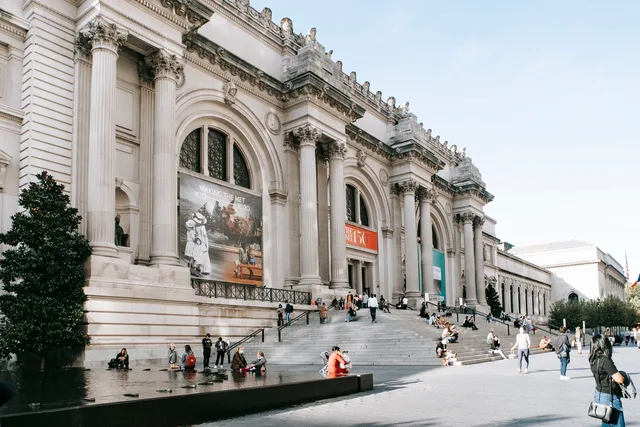
A structured approach allows for deeper engagement with individual pieces.
What should I know about the Met Museum history?
Looking at the weathered stone of the exterior, one considers the decades of growth that transformed a local collection into a global powerhouse. The museum has evolved alongside the city itself, expanding its footprint and its reach.
Understanding Met Museum history provides context for why the collections are so diverse and why the institution is so central to New York culture.
The museum's growth reflects the changing interests of collectors and the expanding reach of global art trade. It has transitioned from a specialized collection to an encyclopedic institution that mirrors the complexity of the metropolitan area.
This history is visible in the architecture, which combines various styles to accommodate growing wings.
Exploring the Met Museum best art involves recognizing the layers of history within the building. Every wing tells a story of how art was collected, preserved, and presented over the years. This historical depth makes the museum more than just a building; it is a living record of human expression.
How does the museum relate to the NYC area?
Stepping out onto Fifth Avenue, the sounds of taxis and bustling crowds immediately replace the museum's silence. The museum is a cornerstone of the larger New York metropolitan area.
The scale of the city and the scale of the museum are deeply intertwined, both serving as massive hubs of activity and culture.
The museum sits within a dense urban environment that facilitates easy access for millions. The New York–Newark–Jersey City Metropolitan Area is a vast region, and the Met serves as a primary cultural destination for residents and visitors alike.

The connectivity of the region ensures a constant flow of diverse audiences through the museum's doors.
The museum is part of a larger ecosystem of education and transit.
The sheer volume of people in the region underscores why the Met must be managed with such careful planning.
- Walking through the heavy bronze doors, the cool air of the lobby meets the quiet hum of anticipation. Visitors often find themselves standing in the center of the Great Hall, looking up at the soaring ceilings and feeling the weight of centuries of human creativity.
- How can I navigate the Met Museum collection?
- What are the best ways to plan a Met Museum plan?
The museum's encyclopedic nature means that while it offers a vast array of subjects, visitors should focus on specific areas to avoid being overwhelmed by the scale of the collections.








Comments 0