How has the NYC Natural History Museum evolved?
"The natural world offers a window into the history of our planet and the complex systems that sustain life."
This guide provides essential information for those interested in exploring the natural history landscape within the New York metropolitan area, including the NYC Natural History Museum. It focuses on understanding institutional growth and the broader context of scientific research in the region.
Visitors should note that while major cultural landmarks define the area, specific details regarding current exhibition schedules for the NYC Natural History Museum are not established in the provided records.

* Understand the historical scale of museum expansions. * Identify key research institutions in the Americas. * Recognize the impact of international tourism on regional engagement.
How has the NYC Natural History Museum evolved?
At dusk, I walk through the museum hall and feel the cold marble beneath my feet.
Walking through a massive hall, a visitor feels the weight of decades of expansion and architectural change. The scale of modern institutions often stems from significant structural shifts that occurred in previous eras to accommodate growing collections.
According to Wikipedia, in 1983, the museum more than doubled its gallery space, grew its curatorial department by 30%, and added an auditorium, two restaurants, and a bookstore alongside the construction of the 56-story Museum Tower adjoining the museum.
This expansion allowed for much larger displays and a more robust staff to manage the vast array of specimens.
I remember standing in a wide corridor and thinking how much space was required to house such a massive collection. The addition of these facilities transformed the visitor experience from a simple walk-through to a full-day engagement.
However, the historical context may not apply to temporary or seasonal exhibits.
Why is this New York Nature Museum so significant?
A researcher sits in a quiet corner of a library, surrounded by volumes of botanical and geological studies. The importance of these spaces lies in their ability to preserve the history of the natural world through rigorous study and curation.
The museum increased its curatorial department by 30% and added several amenities alongside the construction of the 56-story Museum Tower.
The significance of such institutions often relates to their role as repositories of knowledge. A Met Museum Natural History approach involves not just showing objects, but understanding the scientific lineage behind them.
This depth of research helps connect the local environment to global biological trends.
The New York Nature Museum serves as a vital link for students and professionals alike. By maintaining detailed records, these institutions ensure that the natural history of the region is never lost to time.
However, the impact of these collections may be limited for visitors seeking interactive digital experiences over physical specimens.
Where can I find scientific research in the Americas?
An academic leans over a microscope in a high-tech laboratory, peering at a microscopic specimen. Finding the right institution is the first step for anyone looking to engage with high-level natural science.
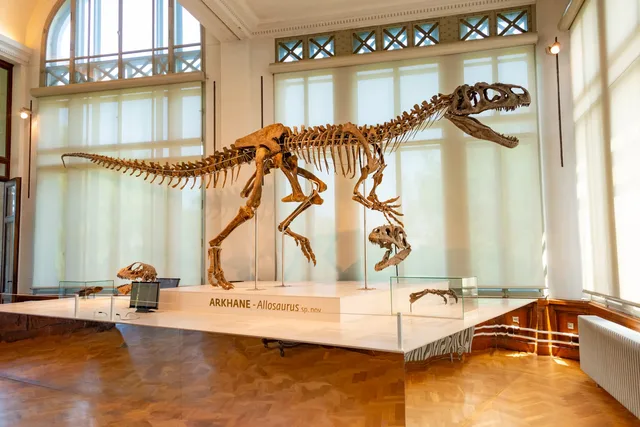
The Academy of Natural Sciences of Drexel University is the oldest natural science research institution in the Americas. This institution provides a foundation for understanding how biological and geological sciences have been studied in the Western Hemisphere.
The Metropolitan Nature Visit can be enriched by understanding these historical scientific foundations. Knowing which institutions have led the way in research provides a better context for any local visit.
However, the accessibility of certain archives may be limited to academic professionals.
How do I plan a Metropolitan Nature Visit?
A traveler checks a map at a busy transit hub, looking for the quickest route to a cultural landmark. Planning a trip requires understanding both the destination and the logistical environment of the city.
To prepare for your visit, follow these steps:
- Research the specific museum's history to understand the context of the exhibits. 2. Check the local transit options to ensure easy access to the museum site. 3. Verify the available amenities, such as bookstores or dining areas, to manage your time.
After completing these steps, do a final check of the museum's closing times and any specific requirements for entry. I found that checking the availability of onsite restaurants made the day much smoother.
- Check the museum website for current operating hours and ticket availability.
- Select specific galleries or exhibits to prioritize during your stay.
- Arrange your transportation to the museum entrance in advance.
What is the scale of tourism in the region?
A person carries a camera through a crowded plaza, capturing the movement of thousands of visitors. The sheer volume of people moving through these cultural corridors is a testament to the area's global appeal.
The scale of movement is immense, as evidenced by broader regional trends. According to World Bank data, the United States recorded international tourist arrivals of 45,037,000 in 2020.
This high level of engagement underscores the importance of maintaining world-class cultural and scientific institutions.
The NYC Natural History Guide should account for these large crowds. Understanding that the region is a major hub for international travelers helps in managing expectations regarding density and wait times.
However, the density of crowds may vary significantly depending on the time of year.
Is there a specific NYC Natural History Guide for transit?
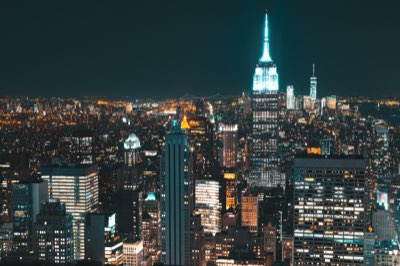
A commuter waits on a subway platform, watching the lights of an approaching train. Navigating the metropolitan area requires familiarity with the complex web of local transportation systems.
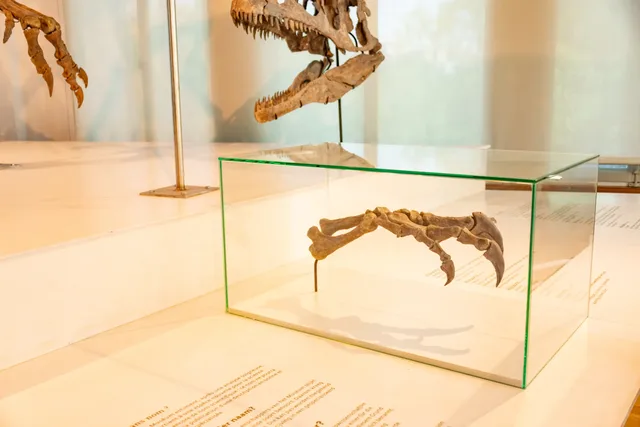
Finding NYC museum subway access is a priority for most visitors. The connectivity of the city allows for efficient travel between various cultural sites, making it possible to visit multiple institutions in a single day.
The Museum local environment is heavily influenced by this accessibility. Efficient transit links mean that the natural history of the region is accessible to a diverse population of residents and travelers.
The Museum transit and area connectivity are essential components of any successful trip. By utilizing the robust public transportation network, visitors can navigate the metropolitan landscape with relative ease.
However, transit routes may change due to local maintenance or service updates.
Specific details regarding the current daily operations or specific biological collections of the NYC Natural History Museum are not established.


Comments 0